
Ganesh Sak Yant Thai Tattoo: Yant Ganesha (Phra Phikanet Yant)
The Yant Ganesha, also known as Yant Phra Phikanet, is a sacred and highly auspicious design in traditional Thai Sak Yant tattooing.
Ganesha (Phra Phikanet in Thai) is the beloved Hindu-Buddhist deity widely revered as the Remover of Obstacles, the God of Success, and the Patron of Wisdom and New Beginnings. He is depicted with an elephant head, a large belly, and multiple arms, symbolizing intelligence, strength, and the ability to clear the path for prosperity and achievement.
In Sak Yant tradition, this Yant invokes Ganesha’s divine blessings to help the wearer overcome difficulties, gain favorable outcomes, and move forward smoothly in life.
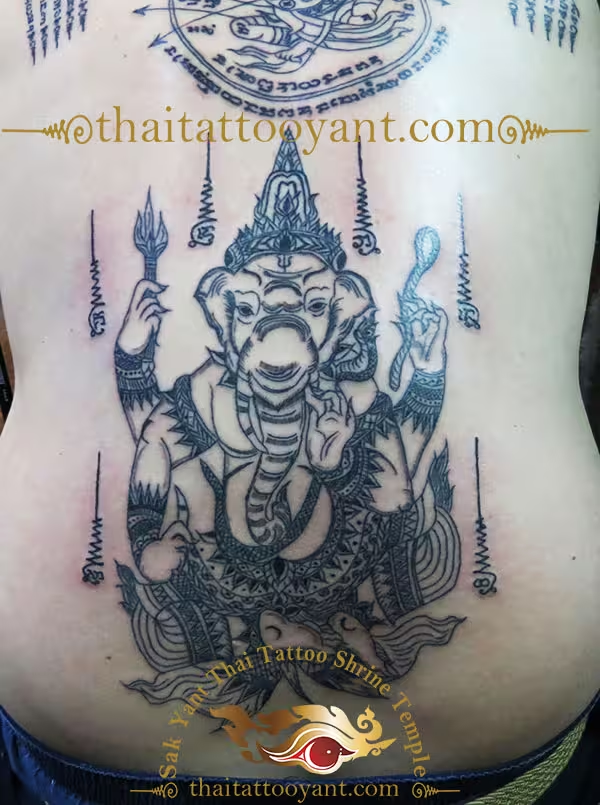
Spiritual Meaning and Benefits
Wearing the Yant Ganesha is believed to grant:
Removal of Obstacles — Clears away barriers, problems, and difficulties in career, business, relationships, and personal goals.
Success and Prosperity — Strong attraction of good fortune, wealth, business success, and achievement in all endeavors.
Wisdom and Intelligence — Enhanced intellect, sharp decision-making, creative problem-solving, and strategic thinking.
Protection and Good Luck — Safeguarding from misfortune, accidents, and negative energies while bringing auspicious blessings.
New Beginnings and Harmony — Support for starting new projects, journeys, or chapters in life with smooth progress and positive energy.
Kindness and Popularity — Increased metta (loving-kindness), charm, and the ability to gain goodwill and support from others
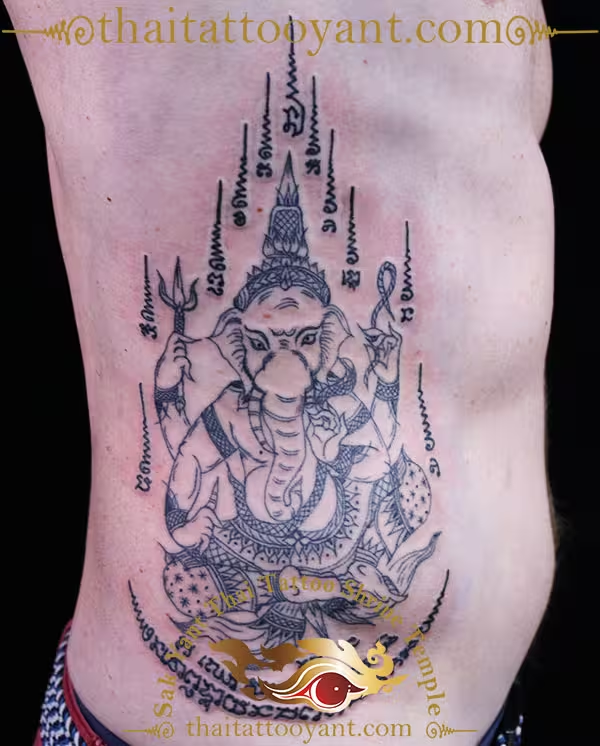
This Yant is especially popular among entrepreneurs, business owners, students, artists, writers, and anyone beginning new ventures or facing challenges that require clever solutions. It is considered an excellent all-rounder for success, wisdom, and gentle yet effective protection.
The design typically features the iconic figure of Ganesha in a seated or standing pose, often holding symbolic objects (such as a lotus, axe, or sweets), with sacred Thai Kata Khom script (Akara) integrated around or within the image for added spiritual power. Its warm and benevolent presence makes it both visually beautiful and deeply meaningful.
Because of Ganesha’s universal appeal as the remover of obstacles and bringer of success, the Yant Ganesha remains one of the most loved and respected designs for those seeking smooth progress, wisdom, and divine support in their lives.
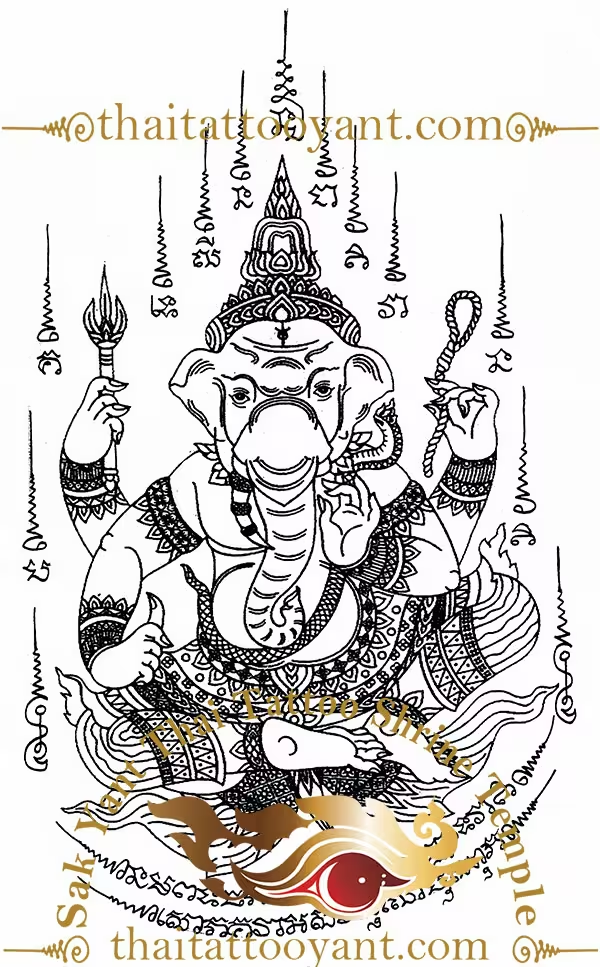
In Thai spiritual art (Sak Yant Thai Tattoo) and Hindu iconography,
Phra Pikanet holding a rope (known as a Pasha or noose) represents his power to bind and capture obstacles. While the flute represents harmony, the rope is a tool of spiritual “control” and direction.
Symbolic Meaning of the Rope (Pasha)
Capturing Difficulties: The rope is a “gentle implement” used to catch and pull away any obstacles or negative forces blocking your path.
Binding the Ego: It represents Ganesha’s ability to bind negative human emotions like greed, pride, and anger, helping the devotee focus on spiritual growth.
Directing the Devotee: Like a tether, it is used to pull straying devotees back toward the path of truth and wisdom.
Removing Attachments: It signifies pulling a person away from worldly attachments and material traps (Samsara).
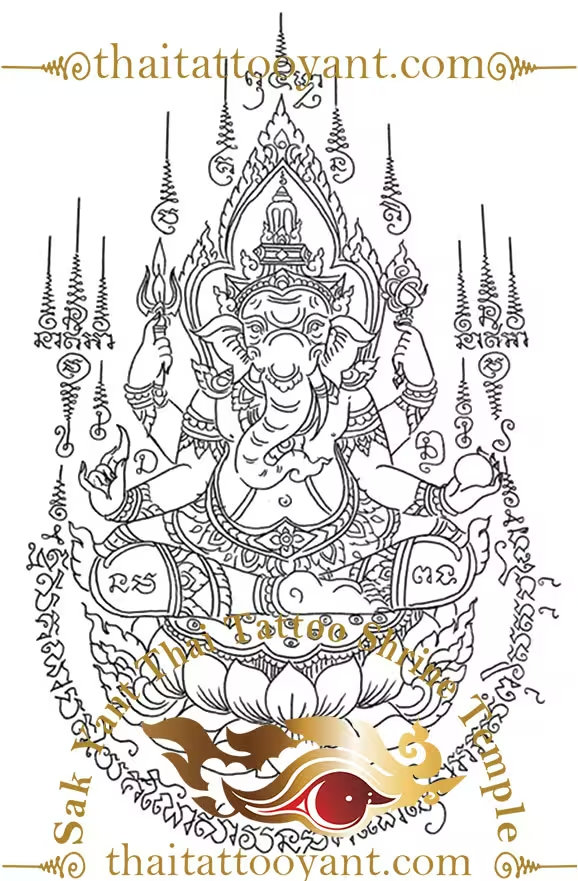
The “Ankusa” and “Pasha” Pair
In many Yant designs, Ganesha holds the rope in one upper hand and an Ankusa (elephant goad/hook) in the other. Together, they represent a complete system of guidance:
The Goad pushes you forward to do your duty.
The Rope pulls you back from danger or negative paths.
Phra Pikanet in Thailand
In Thailand, this form is often found on amulets and Sak Yant tattoos to provide the wearer with strong protection against “bad periods” in life or business. It is specifically recommended for those facing many problems or looking to boost their “Metta Mahaniyom” (attraction and popularity) through self-discipline.
in Thai spiritual culture and Sak Yant tradition. While Ganesha is widely known as the Hindu god of success, in the specific context of a Thai Yant, he is the “Master of All Obstacles” and the “Lord of Arts and Sciences.”
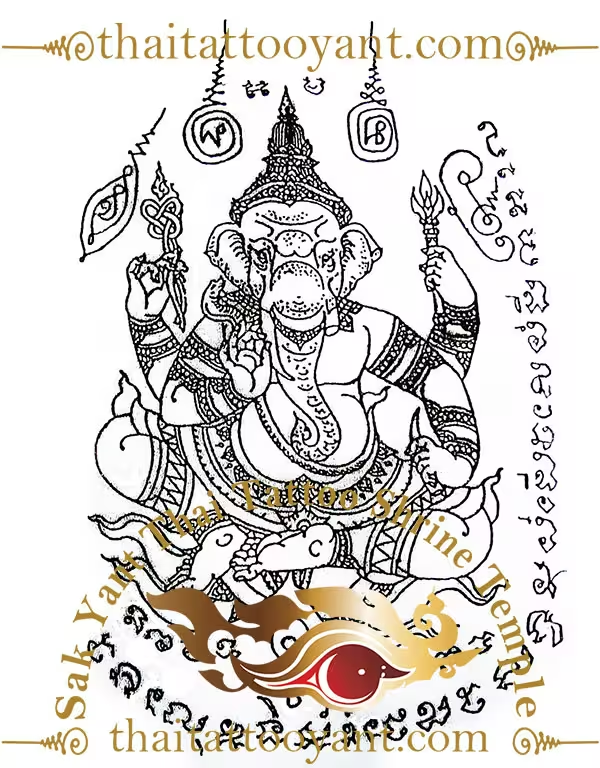
Key Meanings of the Phra Pikanet Yant:
Vighneshvara (Remover of Obstacles): This is his primary function. Having this yant is believed to clear the path of any difficulties, whether they are physical, spiritual, or professional. It is the go-to yant for starting a new chapter in life.
Maha Sumpun (Success and Accomplishment): Ganesha is the patron of success. This yant is highly favored by entrepreneurs, students, and those in creative fields to ensure that their hard work leads to tangible results and prosperity.
Phrapikkanash Pang Pratarnpon
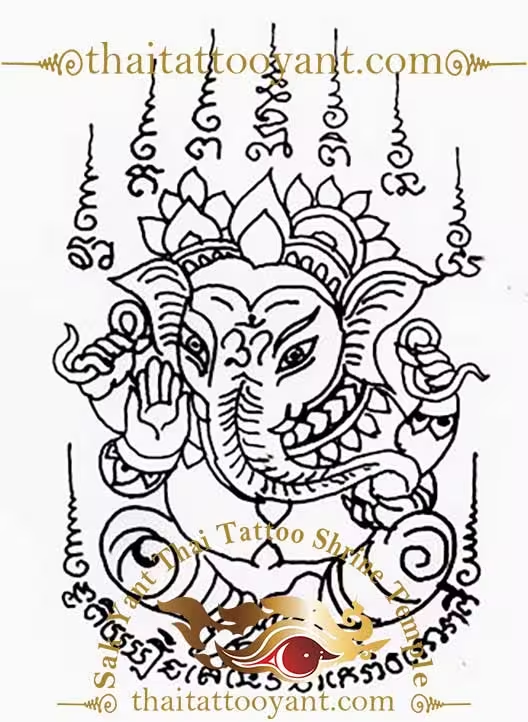
Wissawakarma (Divine Creativity): In Thailand, Phra Pikanet is the primary deity for artists, musicians, dancers, and actors. This design is believed to grant divine inspiration and “open the mind” to new ideas.
Protection (Kong Grapan Chadtri): Though he looks peaceful, Ganesha is a powerful protector. The weapons he carries are meant to strike down negativity, jealousy, and bad spirits that might try to hinder the wearer’s progress.
Maha Amnaj (Command and Power): The way Ganesha is standing and the specific weapons he holds suggest a position of authority. This yant is intended to help the wearer command respect from others and maintain a position of leadership.
Poka-Sap (The Harvest of Wealth): he is holding a bowl of sweets/treasures, which symbolizes that the obstacles aren’t just being removed—they are being replaced with rewards and material comfort.
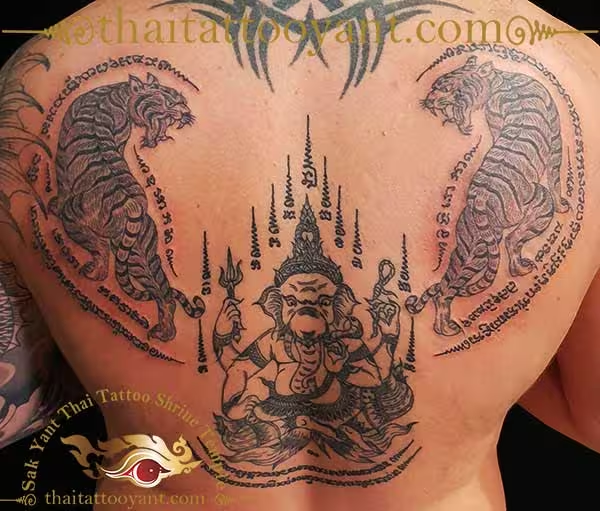
Symbolic Breakdown, Ganesha is depicted with four arms, each holding a ritual object that represents a specific power of the Weapons and Posture:
The Trident (Trisula – 3 spiks): Symbolizes his power over the three worlds (heaven, earth, and hell) and his ability to destroy three major vices: greed, anger, and delusion.
The Broken Tusk: Symbolizes sacrifice and wisdom. Legend says he broke it off to use as a pen to write the Mahabharata, representing the idea that knowledge is more important than physical appearance.
The Goad/Axe: Represents the ability to cut through attachments and to “nudge” the wearer forward in their spiritual or professional life.
The Serpent (Nagakkhi): The Snake (around the waist/chest): Represents energy and the mastery over one’s own ego and desires.
Below:
This representation of Phra Pikanet (Ganesha) is a classic “Victory and Protection” Yant. While other versions might emphasize wealth or comfort, this specific design focuses on the deity as a formidable guardian and a source of supreme wisdom.
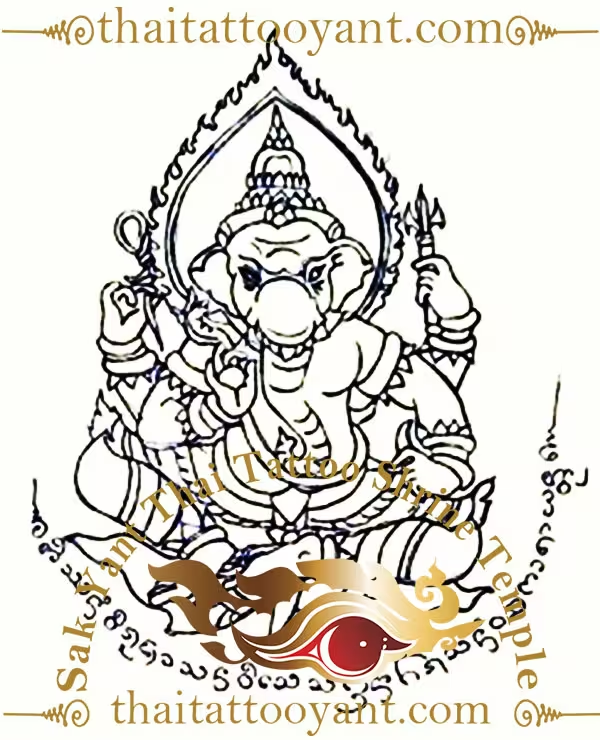
Holding other Symbolic Objects:
The Bowl of Modakas: This represents the “fruits” of spiritual and physical labor. It symbolizes that the wearer will always have enough to eat and will enjoy the “sweetnes
The Lotus Bud: Represents the awakening of the mind and purity. It signifies that even while pursuing material success, the wearer should remain spiritually grounded and clear-headed.s” of success.
The Crown of Unalomes: Notice the three large Unalomes (the spiral-topped spires) floating above his head. These represent the path to enlightenment and ensure that the “head” or the “intellect” of the wearer is always protected by divine light.
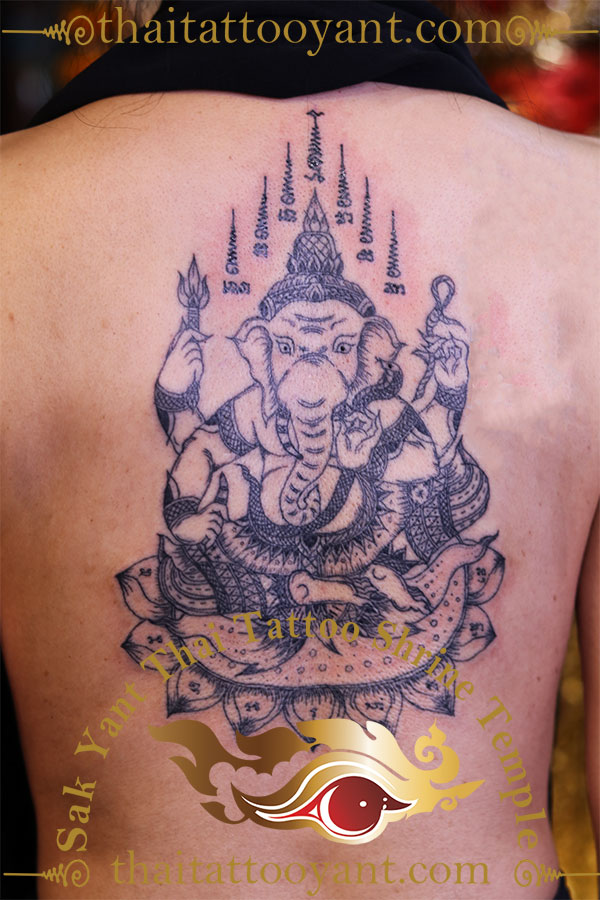
The Sacred Borders:
The Thai Kata Arc: The writing surrounding the bottom is a protective “fence” of mantras. This acts as a barrier, ensuring that once you achieve success, it cannot be taken away by others’ jealousy (Nay Ya).
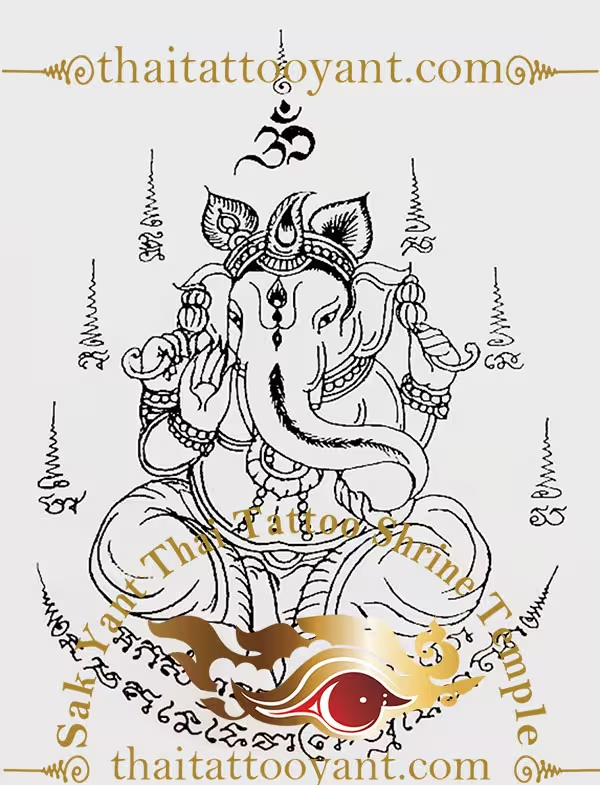
Yant Phra Phikanet Pang Pratan Porn
This design is a Yant Phra Phikanet Pang Pratan Porn (Ganesha in the Blessing Posture), specifically rendered in a more regal, seated style on a pedestal. Unlike the previous version, this depiction emphasizes Ganesha as the “Lord of All Beginnings” and a source of wisdom and abundance.
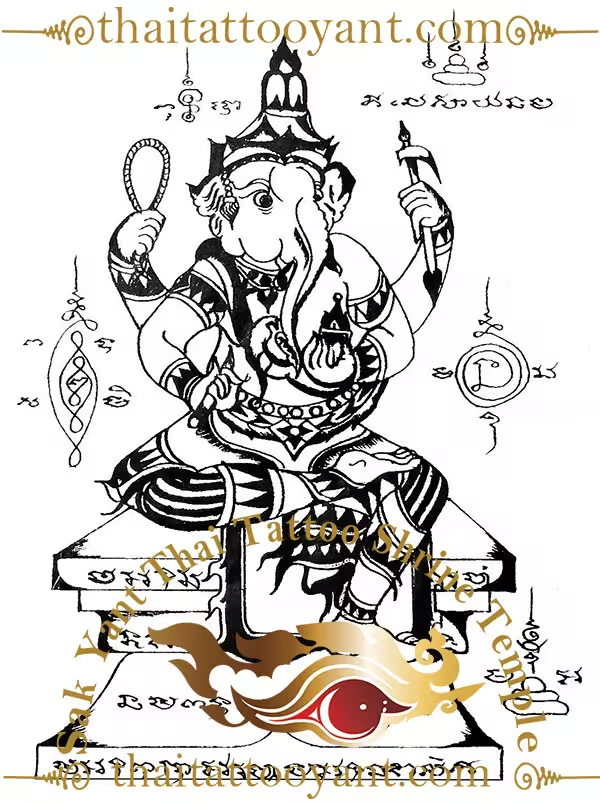
Identification
Central Figure: Phra Phikanet seated on a throne or pedestal.
Posture: He is in a relaxed but formal seated position, indicating stability, permanence, and the completion of a task.
The Sacred Crown (Mongkut): In the left hand: The tall, tiered headpiece marks him as a divine royalty, a common feature in Thai-style iconography.
Extra Ganesh Meanings and Symbolism
This Yant is deeply rooted in Metta Mahaniyom (Compassion and Popularity) and Chok Lap (Fortune). Its primary meanings include:
Maha Setthi (Great Wealth): The seated posture on a throne is strongly associated with attracting prosperity, business success, and financial stability.
Witthaya (Knowledge and Arts): It is a popular talisman for scholars, writers, and students. It is believed to clear the mind of “mental fog,” allowing for better focus and creative breakthroughs.
Klaew Klaad (Evasion of Danger): While less aggressive than the standing version, the presence of the goad and noose provides a protective aura that helps the bearer “evade” accidents and malicious intent.
Siri Mongkhon (Auspiciousness): It is often placed in homes or businesses to ensure that only “good energy” enters the space.
Phra Pikanet Ganesh Sak Yant Thai Tattoo
This detailed illustration of Phra Pikanet (Ganesha) represents him in a highly refined, “Angelic” or Deva form. While many Sak Yant versions are simplified for tattooing, this design is closer to a devotional piece used for meditation and calling upon Maha Barami (Great Merit and Virtue).
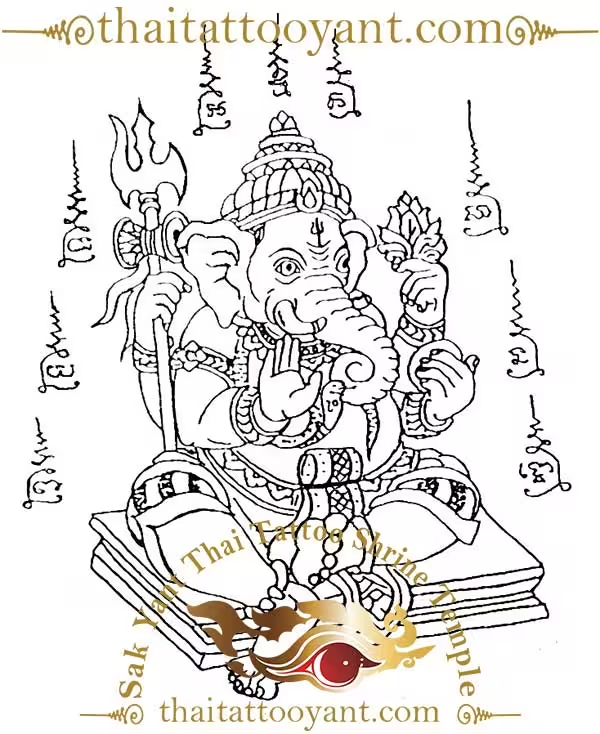
Key Meanings of this Phra Pikanet Yant:
Supreme Wisdom & Intellectual Mastery: In this version, the deity is depicted as an enlightened teacher. It is specifically designed to grant the wearer “Divine Knowledge,” making it ideal for those in academia, complex research, or those seeking deep spiritual understanding.
Amnaj Barami (Sovereign Authority): This Yant focuses on a gentle but absolute power. It is not about forceful command, but about having such a high level of “merit” that others naturally respect, follow, and support the wearer’s decisions.
The Harmonizer of Opposites: Notice the multiple serpents (Nagas) entwined around his body. In Thai tradition, this symbolizes the mastery of life force and the ability to tame dangerous or chaotic energies, turning them into a source of personal strength and protection.
Lord Ganesha holding Baby Elephants
Images and statues of Lord Ganesha holding or sitting with a baby elephant are popular artistic depictions symbolizing wisdom, protection, and a gentle, caring nature. These artistic, or, depictions are designed to represent the tender, nurturing side of the remover of obstacles.
Artistic Symbolism:Depictions of Ganesha with a baby elephant are used to evoke tenderness, wisdom, and the protection of nature’s innocent creatures.
Significance:Ganesha is considered a loving and loyal protector, sometimes compared to a strong, gentle force that clears a path.
Cultural Imagery:These images often appear in creative photography or artistic illustrations, showcasing the strength of the elephant paired with the care of a protector.
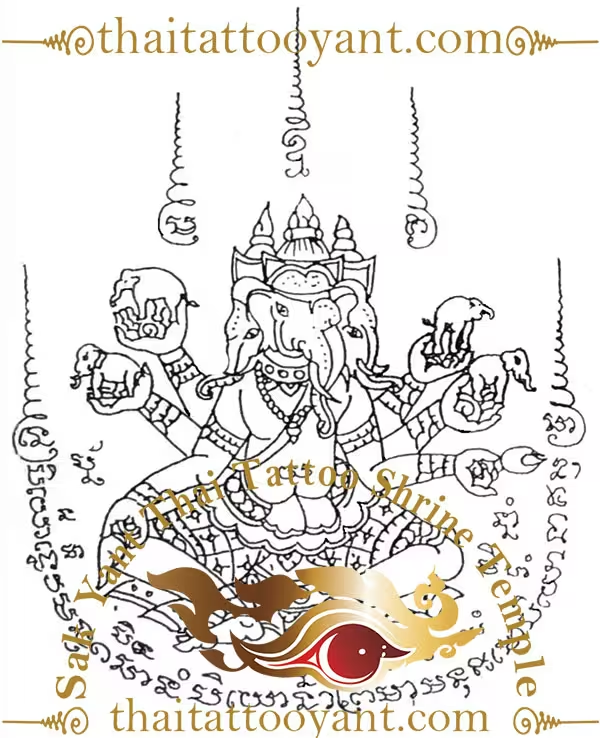
Yant Phra Pikanet Pratub Phrachan Sat On Moon
(ยันต์พระพิฆเนศประทับพระจันทร์), also known as Ganesh God Sat on Moon Yant or Ganesha Seated on the Crescent Moon Sak Yant, is a specific and elegant variation of the popular Ganesha (Phra Pikanet) deity yant.
In this design, Lord Ganesha — the elephant-headed Hindu-Buddhist god of wisdom, success, and obstacle removal — is depicted seated or enthroned on a crescent moon (Phrachan). The moon element adds layers of symbolism: calm illumination, cyclical renewal, balanced emotions, clear intuition, and fulfilled or “completed” success.
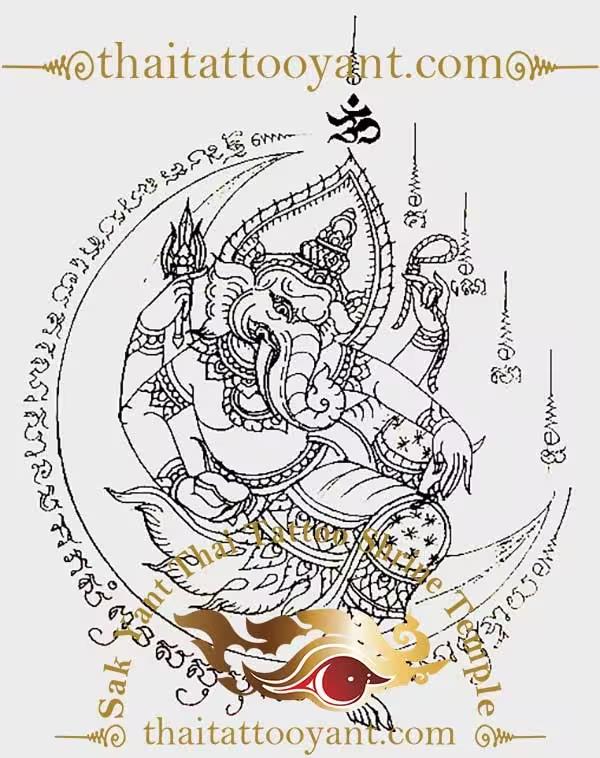
Meaning and Benefits (พุทธคุณ)
Ganesha is universally revered as the Lord of Beginnings (Vinayaka/Ganapati), remover of obstacles, patron of arts, wisdom, intellect, and new ventures. The addition of the moon enhances these qualities:
Removal of obstacles with clarity and calm — Clears blockages in career, business, relationships, studies, or personal growth, while promoting wise, balanced decisions (moon = cool, reflective wisdom rather than aggressive force).
Wisdom, intelligence, and creativity — Strengthens clear thinking, strategic insight, and artistic success. The moon represents “clear wisdom” and emotional/spiritual balance.
Gentle fulfilment and renewal — The moon adds a sense of peaceful completion, cyclical luck, and harmonious progress (e.g., success that feels natural and balanced rather than forced).
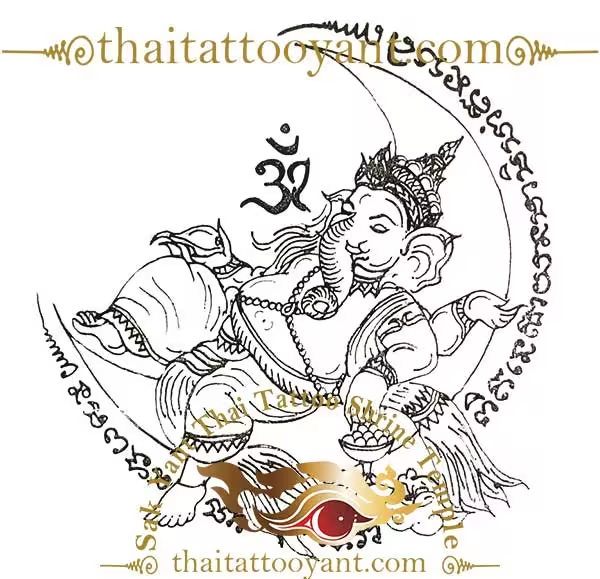
This version is often chosen for its serene yet powerful aesthetic — combining Ganesha’s benevolent strength with the moon’s calming, illuminating energy. It is especially suitable for those seeking success in creative fields, business negotiations, studies, or personal transformation with a sense of inner peace.
Design Features
Central figure: Chubby or majestic elephant-headed Ganesha seated on a crescent moon, often with multiple arms holding traditional items (axe, lotus, sweets/modak, noose, or broken tusk).
Surrounded by Thai Khata Khom Agkhara mantras, unalomes (paths to enlightenment), spires, geometric yantra lines, or lotus motifs.
The moon is typically a stylized crescent beneath or as Ganesha’s seat/throne, sometimes with additional sacred symbols for amplified power.
Traditional hand-poked Sak Yant uses black ink or red; artistic renderings may subtly highlight the moon or Ganesha’s form.
(Note: Exact “Pratub Phrachan” designs feature Ganesha explicitly seated on a crescent moon, often with Thai Khom script encircling the composition. Styles vary by Ajarn — some are more serene and balanced, others highly detailed with additional yantra elements. The moon adds a graceful, luminous quality to the overall piece.)
This yant works well on the chest, upper back, or arms, offering a powerful yet harmonious presence.
Ganesh God Sat on Moon Yant is a beautiful choice for anyone starting new chapters, seeking business/creative success, or desiring wisdom with peaceful energy.
Standing or Dancing Ganesh Sak Yant Thai Tattoo
A Ganesh statue depicted on one leg holding a bowl is
a representation of Nritya Ganapati (Dancing Ganesha) or a “Standing Ganesha”. This form represents joy, artistic expression, and the rhythmic balance of life.
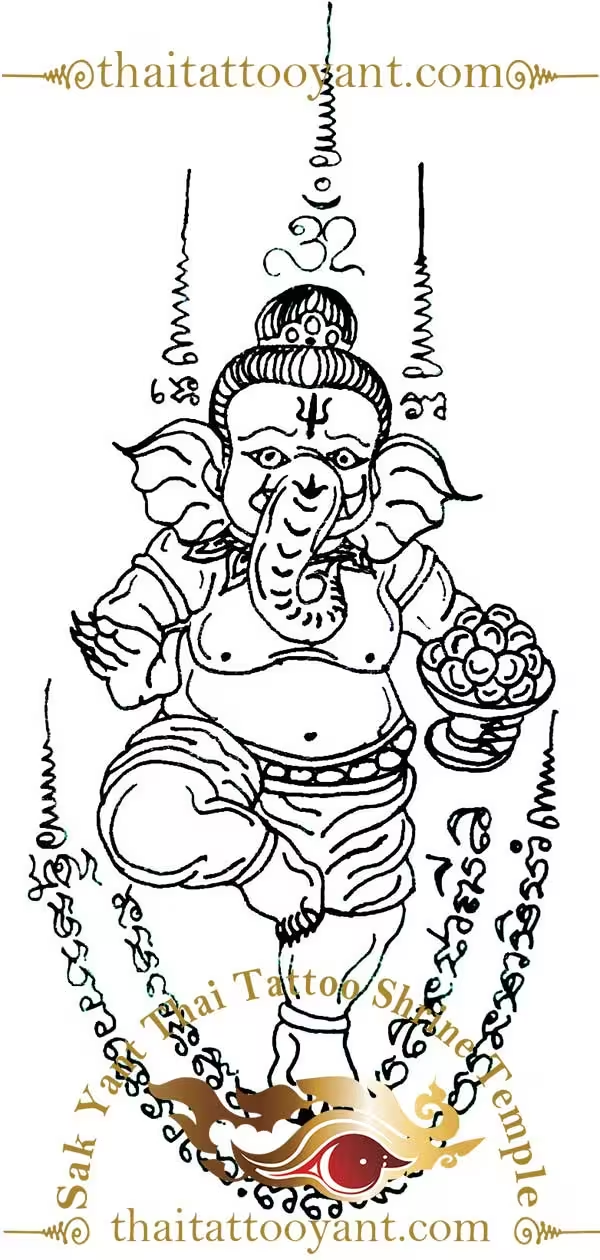
Key Features and Symbolism:
Pose: Standing with one leg firmly on the ground while the other is lifted, dancing, or bent, symbolizing a balance between the material world and spiritual dedication.
Symbolism: It is believed that this pose helps bring energy, creativity, and joy to the home, making it a good choice for artists or people in creative fields.
Yant Phra Phikanet Pang Raraam Bon Dok Bua
This image depicts the Yant Phra Phikanet Pang Raraam Bon Dok Bua (Dancing Ganesha on a Lotus). It is a highly auspicious variation that combines the dynamic energy of the dance with the spiritual stability of the lotus pedestal.
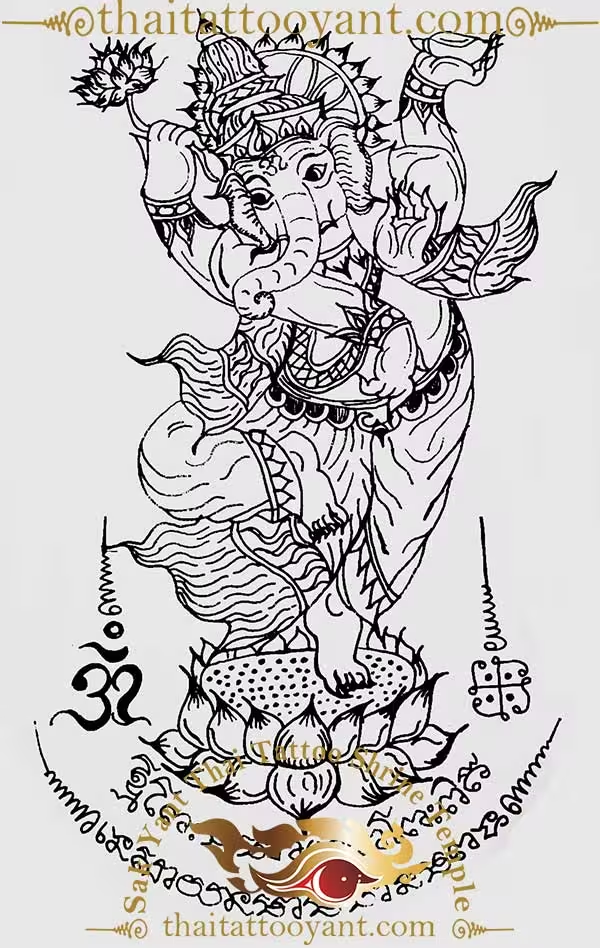
Identification
The Dancing Posture (Nritya): Ganesha is shown in a classic Thai “Krai-Sorn” or rhythmic dance pose. This represents the movement of the universe and the removal of obstacles through grace rather than force.
The Lotus Pedestal (Dok Bua): Unlike a standard dancing Ganesha, this one is specifically balanced atop a lotus flower. This signifies that even in a state of high activity and movement, the deity remains grounded in purity and spiritual truth.
Extra Ganesh Key Attributes:
The Lotus Bud: Held high in his upper right hand, symbolizing the potential for enlightenment and new beginnings.
The Conch Shell (Sankha): Held in his upper left hand. In Thai culture, the conch is blown during auspicious ceremonies to drive away evil spirits and announce success.
Abhaya Mudra: His lower right hand is in the “No Fear” gesture, offering protection to the devotee.
Extra Ganesh Meanings and Symbolism
This Yant is specifically designed for “Dynamic Success”—achieving goals while maintaining a joyful and balanced life.
Maha Sanaeh (Great Attraction): The dancing form is considered incredibly “charming.” It is believed to help the bearer win over hearts, making it a favorite for those in sales, public relations, or the entertainment industry.
Plik Fueang (Turning the Tide): Because he is dancing on a lotus, this Yant symbolizes the ability to “dance through” difficulties. It is believed to help turn a bad situation into a good one by shifting the “vibration” of the bearer’s life.
Chok Lap (Good Fortune): The conch shell is a major symbol of wealth and prosperity. It is believed to “call in” money and opportunities from all directions.
Khuam Suk (Happiness): Unlike more serious, seated versions, this posture is meant to bring lightness to the heart and reduce stress.
Sacred Symbols (The “Seal”)
The Om (left): The sacred sound of the universe, used to focus divine energy.
The Yan Na (right): A stylized “Na” spire that acts as a “seed” of mercy and kindness.
The Thai Kata Mantra (bottom): The script at the base is a protective circle that “seals” the luck and charisma within the bearer’s aura, ensuring it doesn’t leak away.
Nritya Ganapati Dancing Ganesh
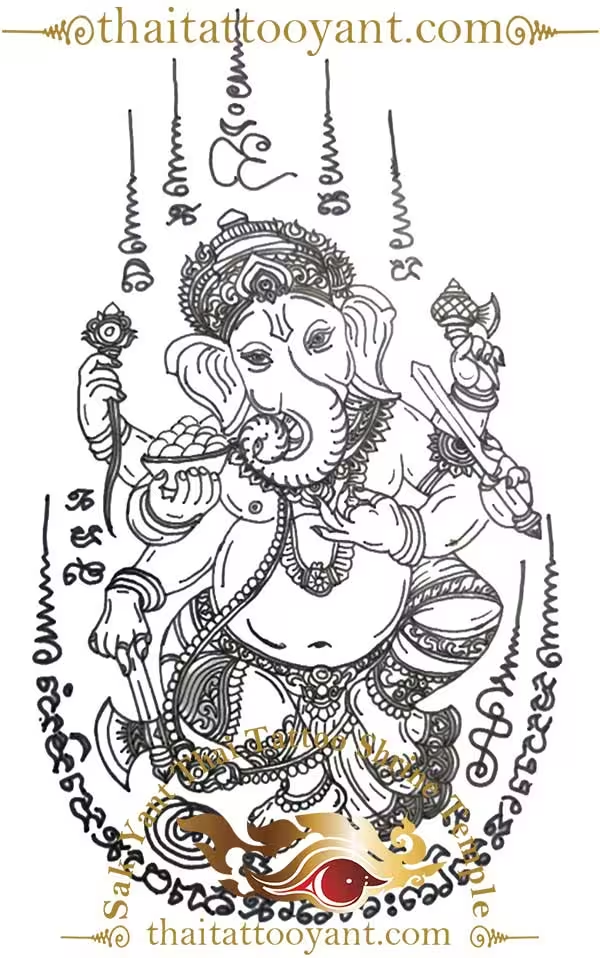
This is a more “Spiritually Refined” version of the dancing Ganesha with a pure artistic illustration, this version is a functional Yant intended to bring rapid prosperity through social grace and charm.
Dancing Ganesha, known as Nritya Ganapati, is a popular artistic and spiritual depiction of the Hindu deity, symbolizing joy, creativity, and the celebration of life. He is often shown balancing on one leg, with his trunk swaying and four arms in various mudras, representing the removal of obstacles with a playful spirit.
Key Aspects of Dancing Ganesha:
Symbolism: This form represents the rhythm of life and the ability to lift oneself above earthly limitations. It is considered a, form that brings positive energy, joy, and harmony to a home.
Artistic Representation: Often portrayed with four, six, or more arms, dancing Ganesha is a common motif in temple sculptures and traditional paintings.
Cultural Context: Dancing Ganesha is heavily featured during the Ganesh Chaturthi festival, with many people performing songs and dances to celebrate the deity.
Identification
Six-Armed Form: The two more arms inclusion of six arms signifies his omnipresence and his ability to handle many complex problems simultaneously.
Extra Key Attributes:
The Sword (Khadga): Held in his middle-left hand, used to cut through ignorance and destroy obstacles.
The Axe (Parashu): Held in his lower-right hand, symbolizing the “cutting away” of worldly attachments and negative karma.
Ganesh Phra Phikanet Pang Raraam
This elegant illustration depicts the Phra Phikanet Pang Raraam (The Dancing Ganesha), often referred to in Thai as the Nritya Ganesha posture.
While the previous examples were functional Yants (tattoos/talismans with sacred script), this particular image is a highly detailed Lai Thai (Thai artistic pattern) illustration. It focuses on the aesthetic and divine grace of the deity, though it carries the same spiritual weight.
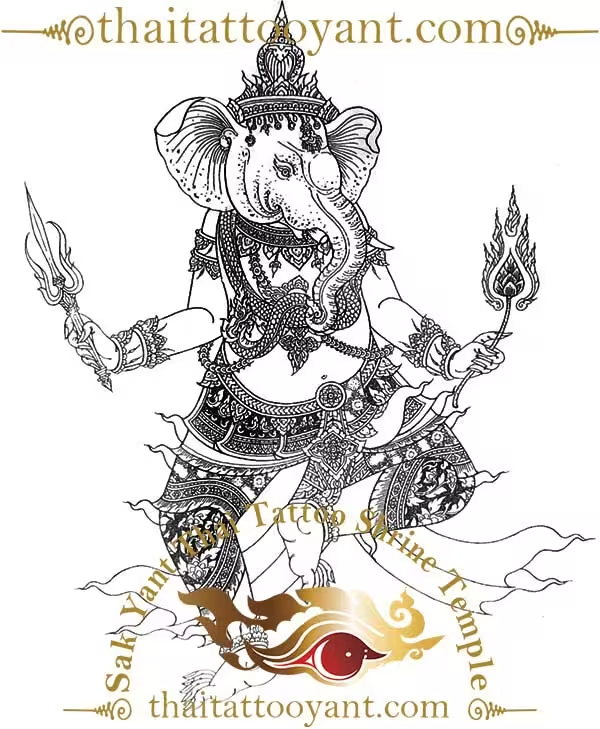
Identification & Posture
The Dance (Nritya): Ganesha is shown mid-stride or dancing. In Thai belief, this is the “Joyful Ganesha.” The movement symbolizes the rhythmic energy of the universe and the celebration of life.
Ornate Regalia: Notice the “Kranok” patterns on the clothing and the “Mongkut” (crown). This style is typical of the Ratanakosin period’s fine arts, emphasizing his status as a supreme celestial being.
Extra Ganesh Key Attributes:
The Naga (Serpent): He wears a Naga as a belt (Yajnopavita), which represents wisdom and the mastery of the ego.
Extra Ganesh Symbolism and Meaning
Metta Mahaniyom (Great Charm): This posture is believed to make the wearer or owner more likable and charismatic. It is “soft” power compared to the “hard” protective power of the standing yant.
Success in Performing Arts: This is the primary patron image for dancers, actors, and musicians in Thailand. It is believed to bring grace, stage presence, and the “divine breath” to one’s performance.
Overcoming Stress: Because he is dancing, this form symbolizes the ability to remain balanced and happy even when life is chaotic. It represents “dancing through obstacles” rather than just breaking them.
Ganesh Baby Yant Phra Phikanet Pang Raraam
This image is a beautiful variation of the Yant Phra Phikanet Pang Raraam (Dancing Ganesha), specifically in a Baby Ganesha (Pang Dek) style.
This depiction is notably softer and more “youthful” than the previous versions, blending the joyful energy of the dance with the innocent, wish-granting nature of a child deity.
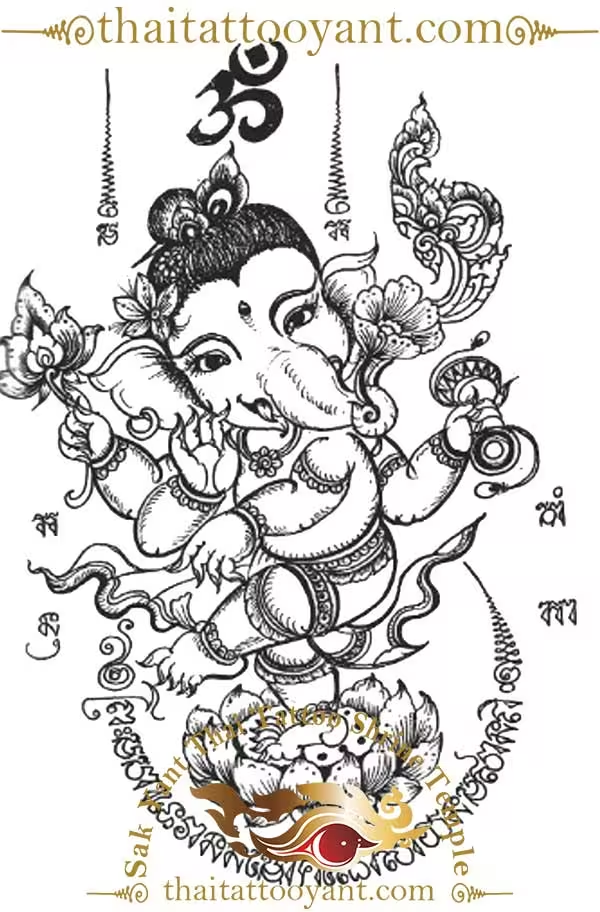
Identification
The Figure: A youthful, “Baby” Ganesha. In Thai belief, younger forms of deities are often seen as more approachable and “quick” to grant simple, heartfelt wishes.
The Dancing Posture: He is balanced on one foot atop a blooming lotus, representing the divine play (Lila) of the universe.
Key Attributes:
The Lotus Flowers: He holds blooming lotuses in two of his hands, emphasizing spiritual growth, beauty, and the blossoming of new opportunities.
The Conch Shell: Held in his lower-right hand, symbolizing the announcement of victory and the calling in of wealth.
The Third Eye: Clearly marked on his forehead, signifying the “Eye of Wisdom” that sees beyond the physical world.
Peacock Feather & Flowers: His hair is adorned with a peacock feather and floral arrangements, highlighting his connection to the arts and aesthetic beauty.
Key Attributes:
The Lotus Flowers: He holds blooming lotuses in two of his hands, emphasizing spiritual growth, beauty, and the blossoming of new opportunities.
The Conch Shell: Held in his lower-right hand, symbolizing the announcement of victory and the calling in of wealth.
The Third Eye: Clearly marked on his forehead, signifying the “Eye of Wisdom” that sees beyond the physical world.
Peacock Feather & Flowers: His hair is adorned with a peacock feather and floral arrangements, highlighting his connection to the arts and aesthetic beauty.
Meanings and Symbolism
This Yant focuses heavily on Metta Mahaniyom (Compassion/Charm) and Kha Khay (Success in Trade).
Prawat Di (Good Reputation): The “Baby” form is believed to make the bearer appears kind, innocent, and trustworthy to others. It is an excellent talisman for those who need to build a positive public image.
Maha Lap (Great Fortune): Because children are often associated with luck in Thai culture, the Baby Ganesha is specifically sought after for lottery luck, unexpected gifts, and “easy” money.
Starting New Ventures: This is the “New Beginnings” Yant. If you are starting a new project or business, this form provides the fresh, vibrant energy needed to get off the ground.
Happiness in the Home: It is believed that this Yant brings a sense of playfulness and reduces tension within a family or a team.
Ganesh Yant Phra Phikanet
The image depicts a variation of the Ganesh Yant Phra Phikanet (Ganesha Yant), specifically in a standing or “active” posture. While Ganesha is often shown seated, this specific depiction—holding a broken tusk and a staff—is associated with removing obstacles and providing protection.
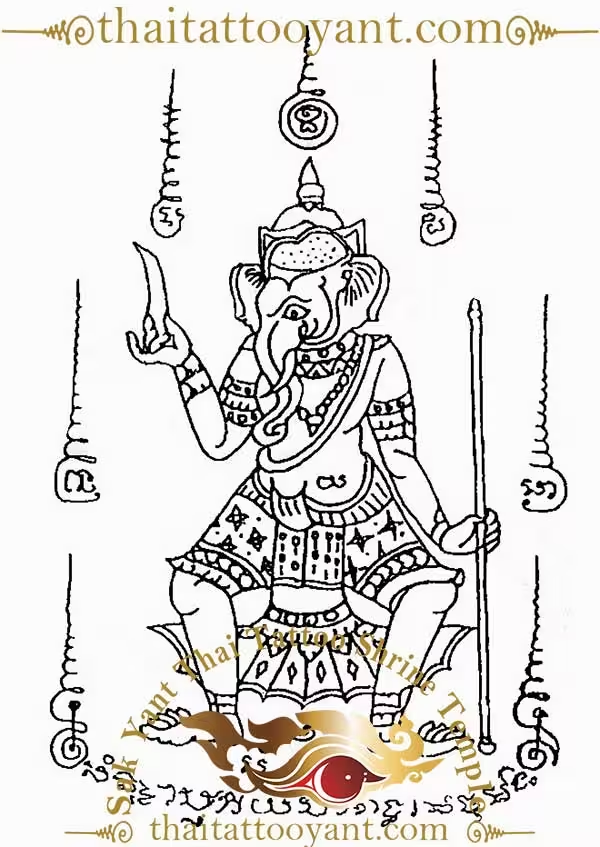
Identification
Central Figure: Phra Phikanet (Ganesha), the Hindu deity of beginnings, wisdom, and the remover of obstacles.
Posture: He is shown in a dynamic standing or semi-crouched stance, which in Thai iconography often represents a “ready” or protective state.
Extra Ganesh Key Attributes
The Broken Tusk: Held in his right hand, symbolizing sacrifice and the ability to transcend duality to gain knowledge.
The Staff/Spear: Held in his left hand, used to guide followers on the right path and strike down ignorance.
Extra Ganesh Meanings and Symbolism
In the tradition of Thai Sak Yant (sacred geometry), this specific design is believed to bestow several blessings upon the bearer:
Maha Det (Great Might): It is intended to instill respect and even a healthy fear in enemies or competitors.
Success in Arts and Science: As Ganesha is the patron of arts, this yant is frequently sought by artists, musicians, and students to enhance creativity and academic success.
Visual Composition
The script at the bottom and the circular “Na” symbols at the corners are foundational elements of Thai talismanic art. They “seal” the energy of the deity within the geometric frame, ensuring that the blessings of Ganesha remain centered on the individual.
Phra Phikanet Ganesh
This image depicts Ganesha (known in Thailand as Phra Phikanet) in a traditional Thai fine-line art style. While “Yant” usually refers to a specific geometric talisman (Yantra), this is a classic iconographic representation used for tattoos, charms, or ritual drawings.
In this specific form, Ganesha is shown in a standing, active posture with four arms, holding tools that represent his power to guide a person’s life path.
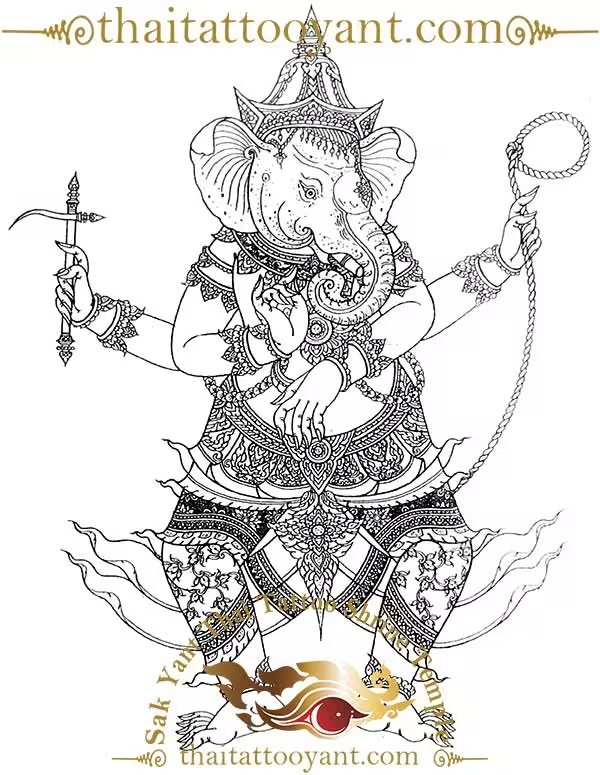
Extra Ganesh Symbolic Tools
The Goad (Ankusa) – Top Right: This represents direction and discipline. Just as a mahout uses a goad to steer an elephant, Ganesha uses it to nudge his followers toward the path of righteousness and wisdom. It symbolizes the removal of inertia and the motivation to move forward.
The Hand Gestures (Mudras):
One hand is often positioned in the Abhaya Mudra (fearlessness) or holding his broken tusk.
The Broken Tusk (usually seen in the lower hand) symbolizes sacrifice and the pursuit of knowledge (legend says he broke it off to use as a pen to write the Mahabharata).
The “Thai” Influence
The Attire: He is dressed in intricate Thai royal regalia, including the Chada (pointed crown), Sangkwan (ceremonial sash), and detailed Kranok patterns on the garments.
The Posture: Standing or “dancing” Ganesha images are very popular in Thailand. They signify success in motion and are often favored by artists, performers, and business owners who need “active” luck rather than stationary peace.
Ganesh Phra Phikanet Pang Pratan Porn Standing on Lotus
This image depicts the Ganesh Phra Phikanet Pang Pratan Porn Standing on Lotus (Standing Blessing Ganesha). Similar to the dancing version, this is a highly refined Lai Thai artistic illustration that combines several powerful Vedic and Thai symbols into one “complete” form.
Unlike the simpler, more aggressive standing yant in your first image, this version emphasizes divine benevolence and spiritual purity.
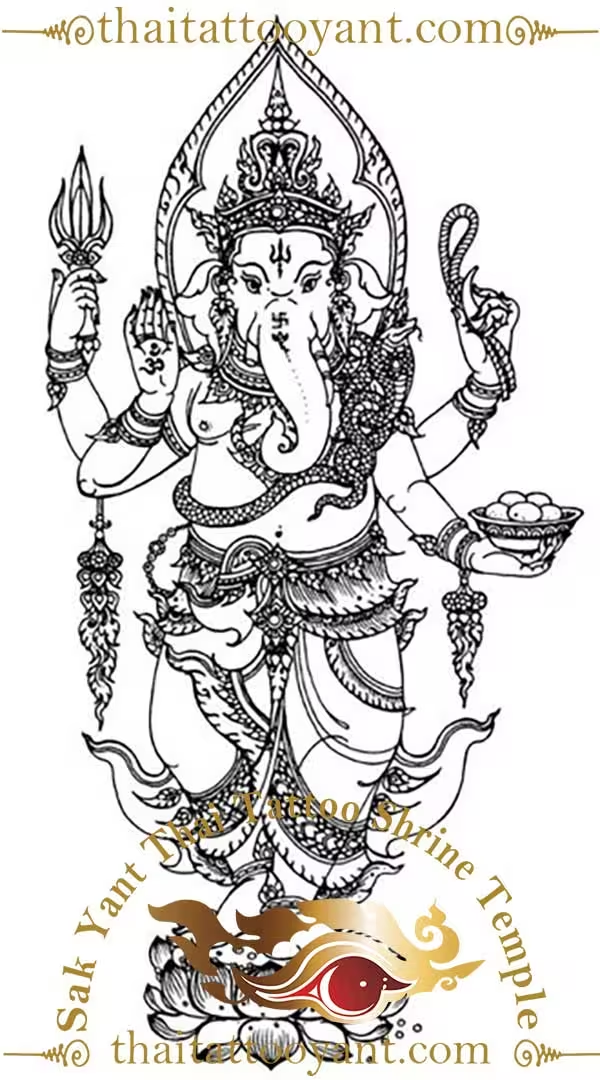
Identification
The Lotus Pedestal: Standing on a blooming lotus (Bua) signifies that the deity exists above the “mud” of the material world. It represents purity, enlightenment, and the firm foundation of one’s virtues.
The Aureole (Halo): The leaf-shaped flame or halo behind his head represents the “light of wisdom” and the radiant energy of a high-ranking celestial being.
Ganesh Extra Key Attributes
Abhaya Mudra (Gesture of Fearlessness): His lower right hand is raised with the palm facing outward (marked with an Om symbol), meaning “Fear not, I am here to protect and bless you.”
Extra Ganesh Meanings and Symbolism
This form is widely regarded as an “All-Purpose” blessing because it balances multiple energies:
Maha Mongkhon (Great Auspiciousness): The presence of the lotus and the blessing gesture makes this a “lucky” image for a home or office. It is believed to smooth over difficult situations.
Pratan Porn (Granting Wishes): This specific posture is known for the ability to turn prayers into reality. It is the “Giver” form of Ganesha.
Mastery of the Self: Notice the Naga (Serpent) wrapped around his torso. This represents the Kundalini energy or the vital life force, showing that Ganesha has total control over his internal power.
Success in Communication: The Om and Swastika symbols on his palm and forehead are ancient marks of well-being and the “sacred sound” of the universe, believed to help the bearer speak with truth and impact.
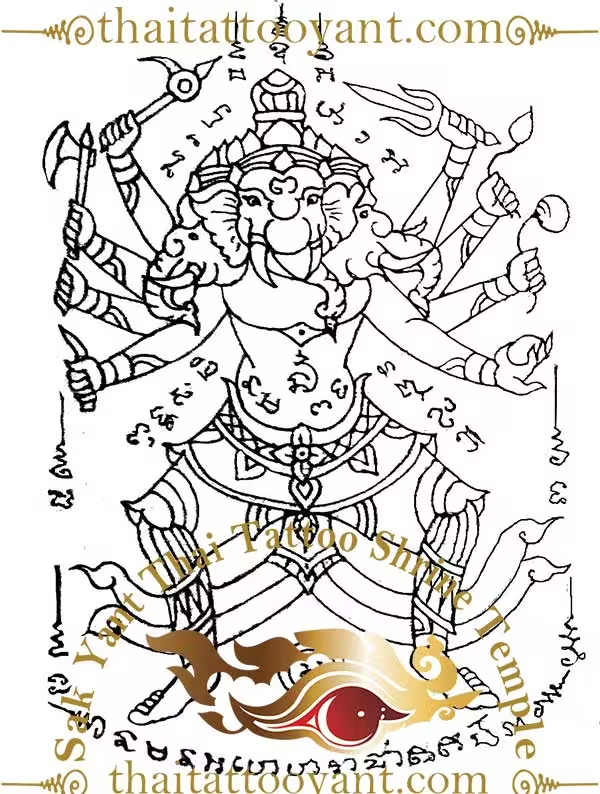
Vira Ganapati is the specific warrior form of Lord Ganesha depicted standing upright and holding weapons, symbolizing his role as a destroyer of evil and remover of obstacles. He is often shown with 16 arms, holding weapons such as an axe (parashu), trident (trishula), noose (pasha), bow, and arrow.
Key aspects of this warrior form include:
16 Weapons: The Vira Ganapati form is described in the Mudgalapurana with a red complexion, holding weapons like the chakra (discus), gadha (club), ankusha (goad), and dhaja (war banner).
Symbolic Meaning: These weapons are not for bloodshed but represent cutting through arrogance, illusions, and attachment. For example, the axe cuts material desires, while the goad steers devotees toward spiritual goals.
Standing Posture: Often depicted on Lotus Sculpture’s Brass Veera Ganesha with 16 arms or 8-armed variations alongside his vehicle, the mouse (Mooshika).
Other Warrior Forms: While Vira Ganapati has 16, other powerful forms may be shown with 8 arms or 5 heads, often standing on a snake or holding a trishula.
Common weapons include:
Ankusha (Goad): Controls desires.
Pasha (Noose): Controls ego.
Parashu (Axe): Cuts attachments.
Trishula (Trident): Destroys evil.
Ganesh as a Ruesi Sak Yant Master
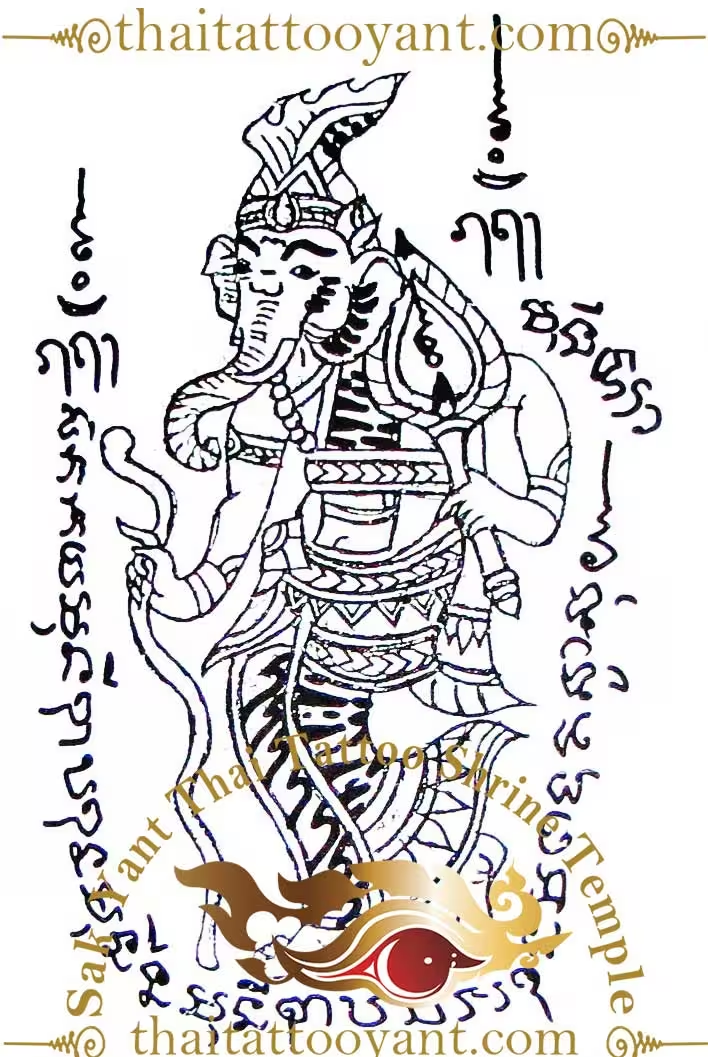
In Thai spiritual culture, the image of Ganesha as a Ruesi (Sak Yant Master or Sage) represents a unique fusion of the Hindu “Remover of Obstacles” with the ancient Thai “Hermit Sages” (Phu Ruesi). This hybrid form is highly revered by practitioners of the occult, artists, and those seeking deep spiritual knowledge.
Spiritual Meaning & Benefits
Supreme Wisdom: This form emphasizes Ganesha’s role as a patron of letters and learning, combined with the Ruesi’s supernatural wisdom and mastery of traditional spiritual practices.
Magical Authority (Maha Amnaj): It is believed to grant the wearer a commanding presence and respect, as Ruesis are seen as ancient mentors with the power to talk to gods.
Protection Against Black Magic: While standard Ganesha yants clear physical obstacles, the Ruesi connection provides a specific shield against spiritual dangers like evil spirits and “backfire” from magical rituals.
Career & Academic Success: Favored by students and professionals, it is believed to help with exam success and professional growth through heightened intellect and luck.
Iconic Features of a “Ruesi Ganesha”
When depicted as a Ruesi in a Sak Yant or as an amulet, Ganesha often includes these specific hermit attributes:
The Ruesi Staff (Mai Tao): Symbolizes spiritual support and authority over the natural and spirit worlds.
Prayer Beads (Prakam): Represents constant meditation and the mastery of sacred mantras.
Tiger Skin Garments: A traditional Ruesi attribute representing the conquest of wild desires and the ego.
Ascetic Posture: Often shown seated in deep meditation (Samadhi) or standing with a step forward to represent progress and moving forward.
Ganesh Yant Sian Phra Phikanet
This design is known as the Yant Sian Phra Phikanet (Ganesha Head Yant), and it is a classic example of a “Metta-Amnat” talisman—one that balances charming influence with spiritual authority.
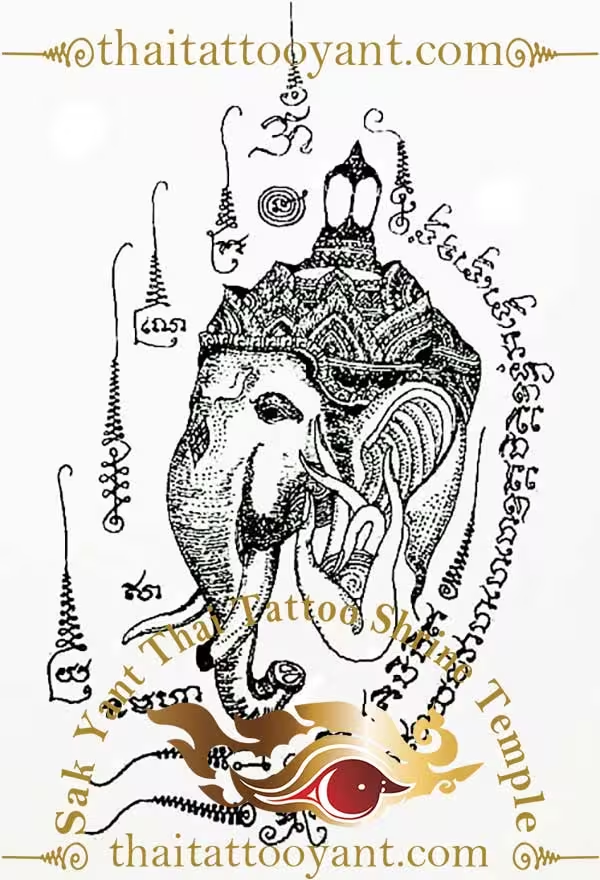
Identification & Key Elements
The Profile View: Unlike the forward-facing versions, the profile view often symbolizes “looking toward the future” or “foresight.”
The Mudra (Hand Gesture): You can see Ganesha’s hand raised near his ear in a variation of the Abhaya Mudra. This represents his role as a listener—one who hears the prayers of devotees and offers immediate protection.
The Mongkut (Crown): The tiered crown is exceptionally detailed here, representing the highest level of celestial rank and divine wisdom.
The Sacred Om (ॐ): Placed at the very top, acting as the spiritual “antenna” that connects the yant to universal energy.
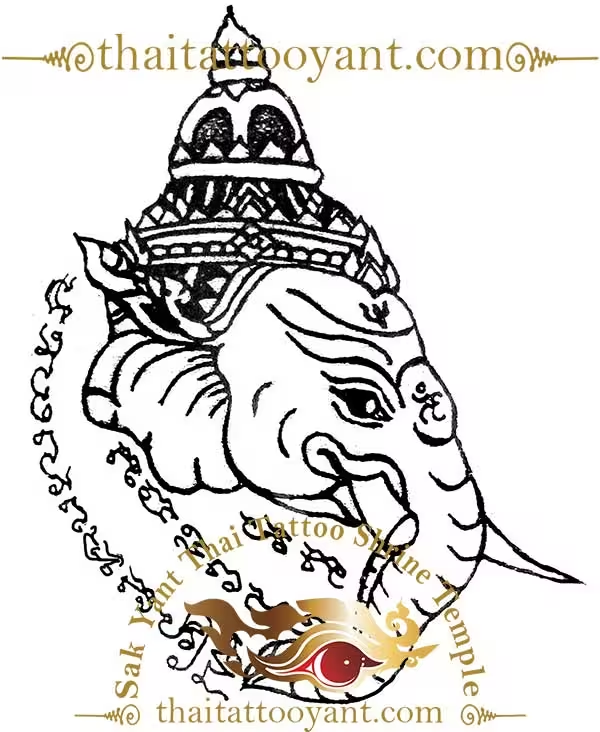
Ganesh Extra Meanings and Symbolism
This Yant is specifically designed to influence how others perceive the bearer.
Metta Mahaniyom (Great Loving-Kindness): This is the primary function. It is believed to create an aura of compassion around the bearer, making people more likely to help them, trust them, and listen to their advice.
Maha Amnat (Authority of Mind): The “Head” yant focuses specifically on the brain and the mouth. It is believed to grant “commanding speech”—the ability to speak with such clarity and power that others are naturally inclined to follow.
Protection of the Senses: Because it features the ears, eyes, and trunk prominently, it is used as a shield against “hearing bad news,” “seeing evil,” or “speaking falsehoods.” It keeps the bearer’s senses pure and focused on success.
Witthaya (Success in Learning): As the patron of scholars, this head-focused design is often used by those undergoing exams or mastering a new complex skill, as it “opens the third eye” of intuition
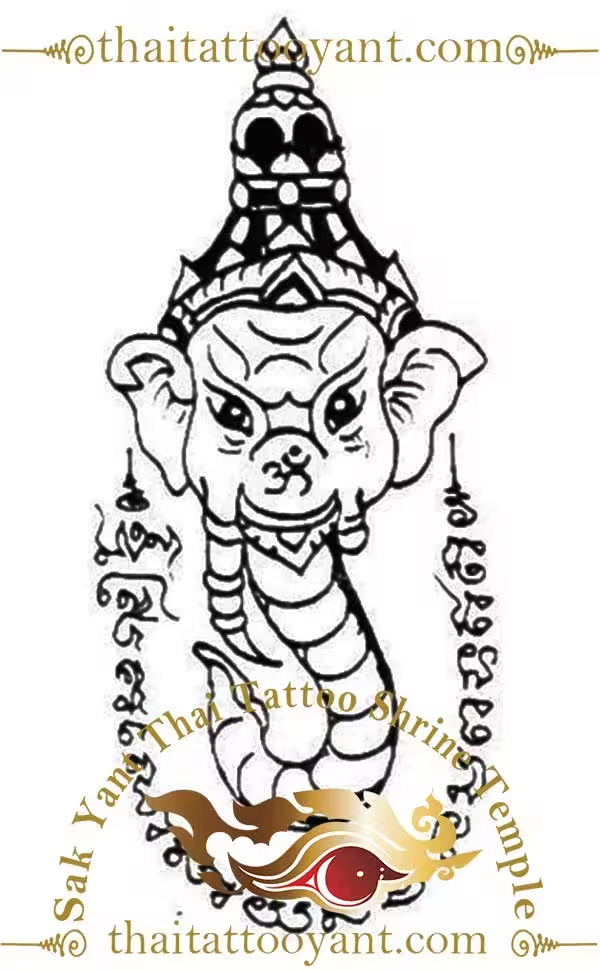
The Sacred Script (The Thai Khom Array)
Vertical Spells (Left): These are “Na” and “Unalome” spires that act as spiritual anchors, ensuring the bearer’s reputation stays upright and strong.
The Flowing Mantra (Right): The script curving along the right side is typically a “Hua Jai” (Heart Mantra) that calls upon Ganesha’s specific virtues of removing obstacles (Vighneshvara).
The “Lower Guard” (Bottom): The two stylized “tails” or scripts at the bottom act as a seal to prevent negative energy from rising up and affecting the bearer’s thoughts.
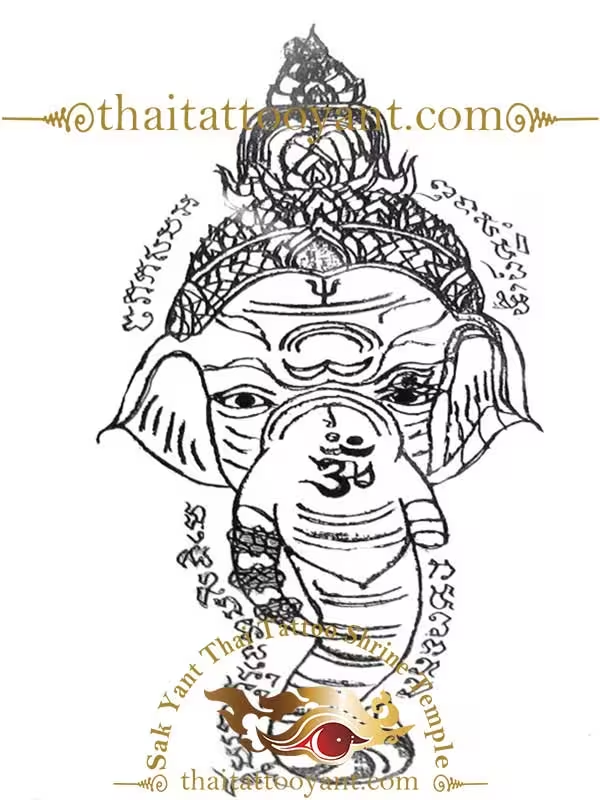
Yant Ganesh (Phra Pikanet / Ganesha) with 9 Unalome Spires
Yant Ganesh (Phra Pikanet / Ganesha) with 9 Unalome Spires is a powerful and popular Sak Yant design that combines the Hindu elephant-headed god Ganesha with sacred Thai-Buddhist elements, particularly Unalome (also called “Gao” or spires in some contexts).
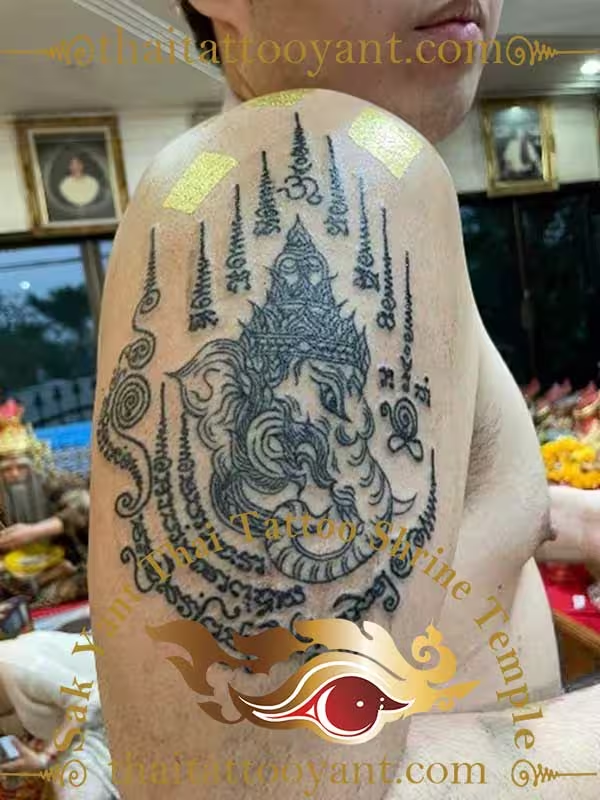
Core Symbolism of Yant Ganesh
Ganesha (known in Thailand as Phra Pikanet) is revered as:
The Remover of Obstacles — He clears blockages in life, career, business, and personal endeavors.
Lord of Beginnings — Ideal for new ventures, projects, or chapters in life.
God of Wisdom, Success, and Prosperity — Brings intelligence, creativity, financial abundance, business luck, and overall success. Many wear it hoping for what they wish for in life to manifest.
Protection and Power — His elephant form symbolizes strength, while his gentle nature represents compassion and the ability to safeguard against subtle or physical obstacles.
In Sak Yant, the design often shows Ganesha seated (sometimes on a lotus), with multiple arms holding symbolic items (axe, noose, lotus, or sweets), an elephant head, and surrounding Thai Kata Khom script mantras that activate the blessings.
Phra Pikanet Ganesh Head Yant
Phra Pikanet Ganesh Head Yant (Ganesha Yantra) is a sacred Thai spiritual design centered on the Hindu deity Ganesha, who is revered in Thailand as the god of art, success, and the remover of obstacles.
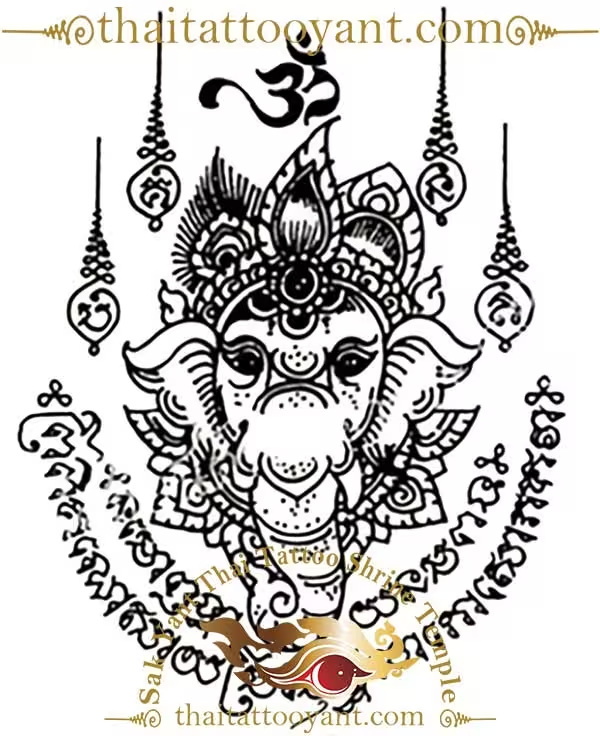
Spiritual Meaning & Benefits
Success & Prosperity: Believed to bring financial prosperity and success in business ventures.
Obstacle Removal: Specifically used to “clear the path ahead” and help the wearer overcome life’s difficulties.
Wisdom & Guidance: Provides spiritual guidance and is associated with shrewdness and wisdom.
Design Variations
While “Phra Pikanet” refers to the deity, “head yant” often refers to designs focusing on his distinctive elephant head:
Yant Phra Pikanet: Common designs often show him seated or as a singular head surrounded by sacred Pali scripts.
Ganesha on the Moon: A specific variation called Yant Phra Pikanet pratub Phrachanshows him seated on a crescent moon.
Placement: Traditionally, highly sacred yants like this were sometimes believed to be most powerful when tattooed on the top of the head to maximize their spiritual protection.
Sak Yant Hua Phra Phikanet Ganesh Head
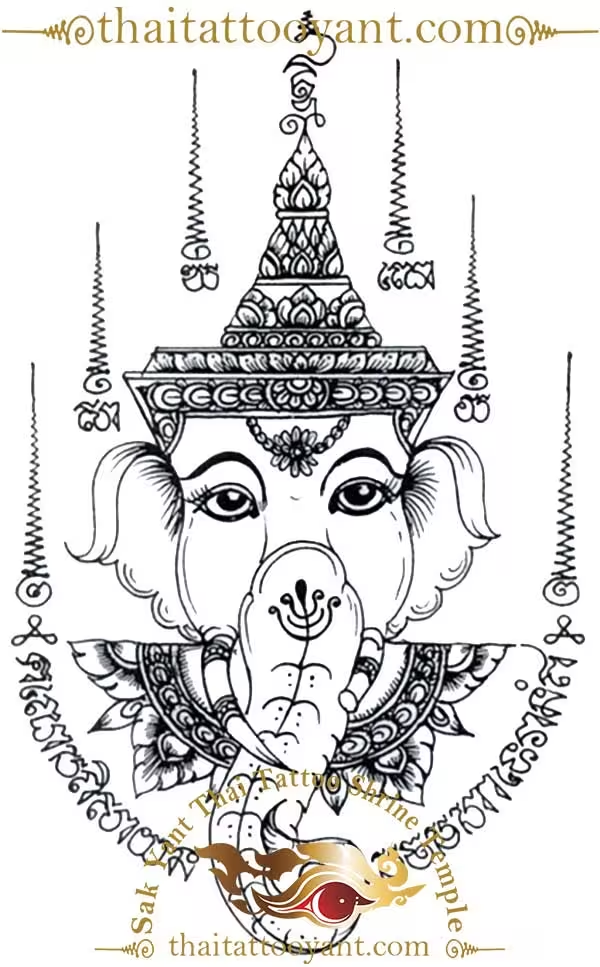
This image represents the Sak Yant Hua Phra Phikanet (The Ganesha Head Yant), often referred to as the Yant Na Ganesha.
Unlike the full-body depictions you’ve seen, this yant focuses exclusively on the head (the source of wisdom) and incorporates heavy use of Thai Kata Khom script and Unalome symbols to “frame” the deity’s power.
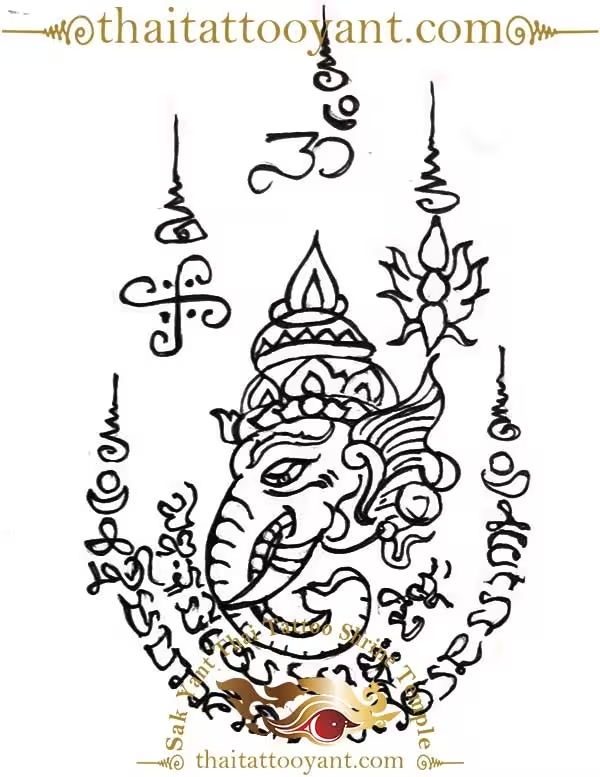
Identification
The Head (Sian): In Thai spiritual culture, the head is the most sacred part of the body. A “Head-only” yant is designed to influence the wearer’s mind, speech, and intellectual influence.
The Crown (Mongkut): This signifies divine status and the peak of spiritual achievement.
Surrounding Elements:
Unalome (The Spires): There are three distinct Unalome spires at the top, representing the path to enlightenment and the “ascending” energy of the prayer.
Yan Na (The Spiral Symbol): To the left of the head is a stylized “Na” character, a foundational element in Thai talismans that acts as a “seed” for all other blessings.
Thai Kata Khom Script Border: The curved script underneath creates a protective “cradle,” sealing the mantra and focusing its energy on the bearer.
Ganesh Extra Meanings and Symbolism
This specific design is heavily weighted toward intellectual dominance and social influence.
Sati Panya (Intellectual Brilliance): This yant is believed to sharpen the mind, improve memory, and grant the “wisdom of Ganesha.” It is the preferred choice for those who work with their minds—lawyers, teachers, and strategists.
Metta Mahaniyom (Great Compassion): By wearing or possessing the head of Ganesha, it is believed that your words will become “sweet” and persuasive to others, making it easier to close deals or resolve conflicts.
Gae Aa Than (Breaking Curses): Because Ganesha’s head was replaced after a divine conflict, this form symbolizes the ability to “transform” a bad situation into a powerful one. It is used to ward off “black magic” or negative energy directed at your reputation.
Maha Amnat (Authority): The focused, singular image of the head commands respect. It suggests that the bearer has a “cool head” and the authority of a leader.
Functional Context
In the Thai tradition of Sak Yant, the Yant Hua Phra Phikanet is often placed high up on the body (such as the back of the neck or the upper back) because it represents the highest part of the deity. It is a more “refined” and “concentrated” version of the Ganesha energy compared to the full-body action poses.
This is a perfect choice for someone who wants the blessings of wisdom and eloquence without necessarily emphasizing the “warrior” or “wealth” aspects of the other postures.
Yant Ganesh Phrapikkanash Pang Paokhui Sak Yant Playing a Flute
(ยันต์พระพิฆเนศ ปางเป่าขุย / ปางเป่าขลุ่ย), also known as Bansuri Ganesha Sak Yant or Ganesha Playing the Flute Yant, is a serene and auspicious deity-based Sak Yant design sitting.
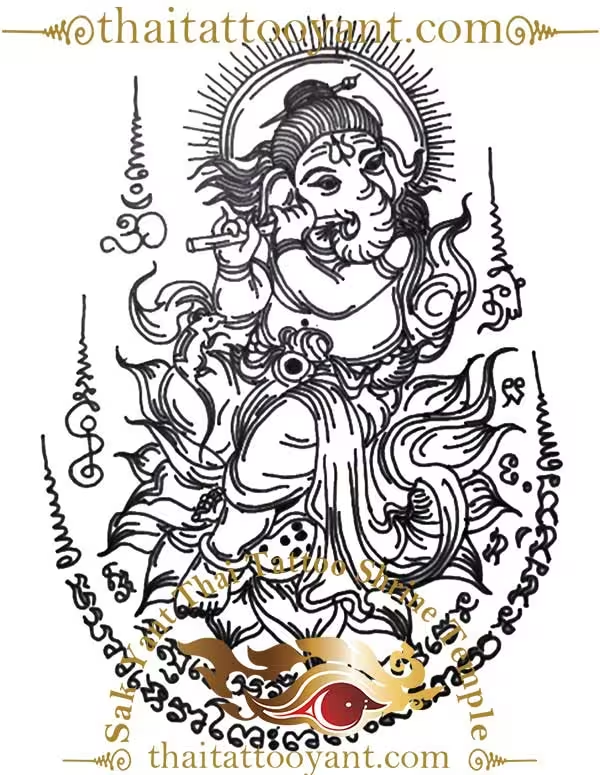
Thai spiritual art (Sak Yant). While traditional yants often depict him with weapons or tools, the musical variation emphasizes harmony, artistic success, and the attraction of peace.
In this specific Pang (pose/form), Lord Ganesha (Phra Pikanet / Phra Phikanet) — the elephant-headed god — is depicted playing a flute (bansuri or similar wind instrument, sometimes called “khui” in Thai contexts). This pose draws from artistic and devotional traditions where music symbolizes joy, harmony, and inner peace, adapted into the Thai Sak Yant repertoire.
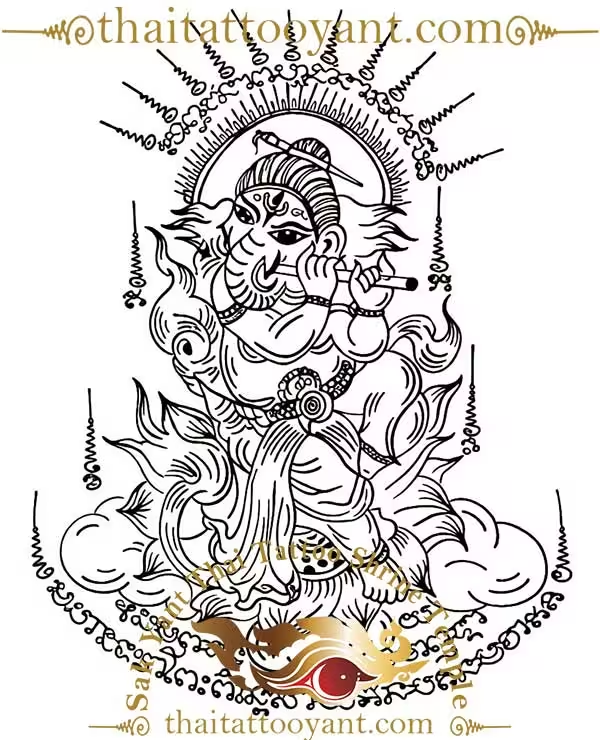
Spiritual Meaning in Sak Yant
Ganesha is the remover of obstacles, patron of wisdom, intellect, arts, and new beginnings. The flute-playing form adds a gentle, artistic dimension:
Artistic Mastery: As the patron of all arts, this specific yant is favored by musicians, performers, and creative professionals to gain “Metta Mahaniyom” (attraction and popularity).
Divine Harmony: The flute’s melody symbolizes the “sound of the universe,” believed to dispel negativity and bring blissful energy into the wearer’s life.
Steady Success: The sitting posture (typically on a lotus or leaf) represents stability and a calm, composed mind, which is essential for overcoming life’s obstacles.
Happiness, peace, and tranquility — Brings emotional harmony, reduces stress and worries, and promotes a joyful, balanced life.
Success and prosperity — Supports achievement in creative pursuits, business, studies, or personal goals, often with a smooth, fulfilling quality rather than forceful striving.
Creativity and inspiration — Enhances artistic expression, clear thinking, and innovative ideas (the flute represents beautiful “music” in life and work).
Obstacle removal with serenity — Clears blockages while fostering inner calm and positive flow.
In Hindu and Thai iconography, (Phra Pikanet) is often depicted playing the flute to represent divine harmony, joy, and peace. This specific form is known as Nadapratithishta, identifying him as a lover and patron of music.
Symbolism & Meaning
Spreading Serenity: Traditional beliefs suggest Ganesha plays the flute to spread calmness and bliss throughout the world.
Remover of Obstacles: Even in this artistic and playful form, he is invoked to clear paths for success and new beginnings.
Connection to Krishna: The flute is an instrument heavily associated with Lord Krishna; when Ganesha is shown with it, it emphasizes his role in enchanting the soul and fostering spiritual love.
Auspicious Placement: A sitting Ganesha idol is generally considered the most auspicious posture for the home (Vastu), as it promotes a stable, peaceful environment and positive energy.
Design Features
Central figure: Ganesha in a relaxed or seated pose, holding and playing a flute (bansuri), often with his characteristic elephant head, chubby form, and multiple arms (some holding other symbolic items like a lotus or axe).
Surrounded by Thai Kata Script mantras, unalomes, spires, geometric yantra lines, or lotus motifs for added spiritual power and purity.
The flute element gives the design a graceful, melodic aesthetic compared to more dynamic or fierce Ganesha poses.
Lord Ganesha with Mushika
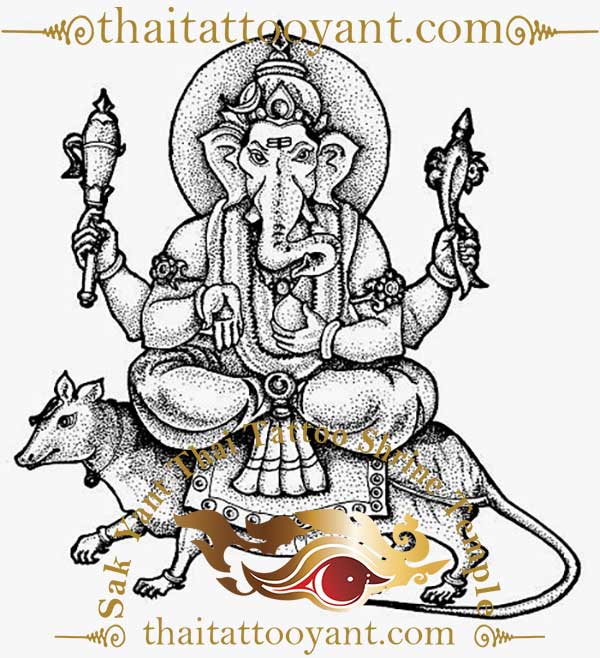
Lord Ganesha with Mushika is often depicted riding or accompanied by a small rodent, typically a mouse or rat known as Mooshika or Mushika. This pairing symbolizes intellect and wisdom controlling desire and ego, as the vast, intelligent Ganesha commands the restless, greedy rodent. It represents mastering one’s desires rather than suppressing them.
Symbolism of the Rodent (Mooshika/Vahana):
The Mind and Desire: The mouse represents the restless, erratic human mind, filled with endless desires, fears, and appetites.
Mastery over Ego: Ganesha riding the mouse shows that a calm, enlightened intellect can control the ego and desires.
Access to All Areas: As a creature that can squeeze into small spaces, the mouse symbolizes Ganesha’s ability to reach every corner of existence and remove obstacles from the deepest places.
Humility: The choice of a tiny, often despised rodent as a vehicle for a powerful god signifies that greatness lies in humility.
Mythological Origin:
According to legend, the mouse was once a celestial musician named Krauncha who was cursed by a sage to become a giant, destructive mouse. Ganesha later conquered this creature, who then became his loyal companion and vahana (vehicle).
In some depictions, the mouse is shown looking up at Ganesha with adoration, often with a modak (sweet) in its paws, symbolizing a desire for spiritual knowledge rather than merely worldly greed.
Social Media Links
Bangkok Ink Tattoo Group Associates in Business
Sak Yant Tattoo Designs
Sak Yant Designs
Thai Tattoo Designs
Thai Tattoo Yant Designs
Tiger Web Geek, Website Design, Hosting, SEO, Marketing
Thai Tattoo Sak Yant UK Tours
Bangkok Ink Studio, Machine, Hand Poke Tattoos, Tattoo Removal, VIP Service to Ajarn Ohr
Tattoo School Thailand Bangkok
Asian Artifacts oneshopasia.com
Thai Tattoo Sak Yant USA
...
Skindiver Tattoo Studio, Gothenburg, Sweden
inktattoo.se Tattoo Studio
Skin Graffiti Tattoo Studio UK
Happysailortattoo.com Old School Tattooing
Ink Tattoo Studio
jourservice
The Tattooed Gent Studio