
Bamboo Tattoo
The art of Bamboo tattooing is one of humanity’s oldest artistic and spiritual practices—a living tradition that has travelled down through centuries, kingdoms, tribes, warriors, and temples.
Long before modern machines buzzed in tattoo studios, ancient artisans across Asia developed a remarkably precise method of inserting ink into the skin using nothing more than a sharpened bamboo rod, hand‑controlled rhythm, and generations of inherited skill.
This technique, often called (Sak in Thai) hand‑tapped, hand‑poked, Bamboo Tattoo or in Thailand, the sacred tradition of Sak Yant, is far more than a tattoo style. It is a cultural language in Kata script, a spiritual ritual, and a powerful link to ancestral craftsmanship.
One of the most beautiful back piece for lady
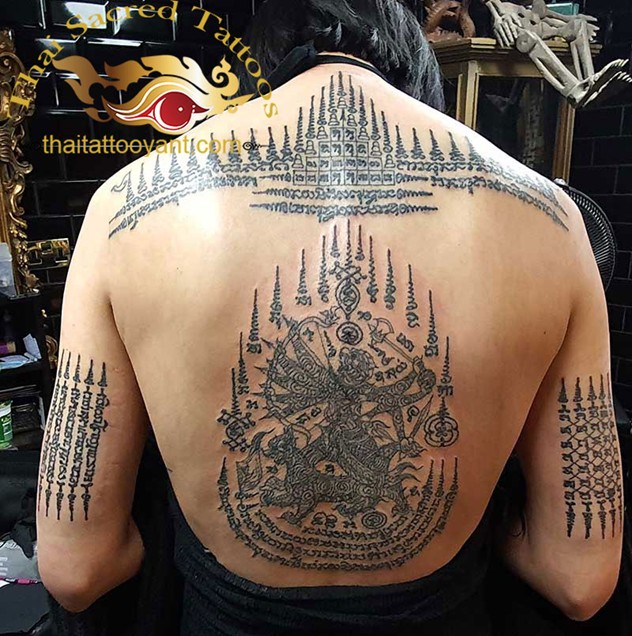
Unlike machine tattoos, which rely on speed and electricity, bamboo tattooing is entirely human-powered, guided by the artist’s breath, intuition, and steady tapping motion. Every dot of ink is placed with intention. Each line is built through rhythm—soft taps, firm taps, and carefully controlled pressure that artisans spend years mastering. This creates a look and feel that is distinctly alive, often healing faster and aging differently than machine-done designs.
Across thousands of years, cultures throughout many kingdoms which then became the Khmer empire and after collapsing became Siam and later Thailand and developed their own variations of hand-tapped tattooing. Some used bamboo, others bone, thorns, or wooden implements, but all shared the same philosophy: tattoos are not just ornaments—they are stories, blessings, identities, and protective symbols. Warriors once went into battle marked with sacred patterns to shield them. Tribal communities earned tattoos through rites of passage, valor, or achievements. Spiritual masters, Ruesi’s and Sak Yant masters who were developed in the Siam empire/Thailand imbued their markings with chants, rituals, and meaning.
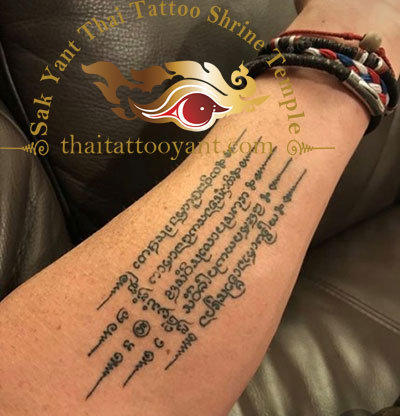
What makes bamboo tattooing especially enduring is its humanity. The experience is quieter, more personal and more ceremonial. Artists often work at a slower pace, allowing connection and intention to guide the process. Many people today seek bamboo tattoos not only for their unique aesthetic but for the sense of tradition and grounding that comes with receiving a design made by hand.
In a world where technology evolves faster than culture can keep up, bamboo tattooing stands as a reminder of our deep, ancient relationship to art, spirit, and skin. It is living history—kept alive by dedicated masters, cultural communities, and people around the world who choose to honor the old ways of marking the body with meaning.
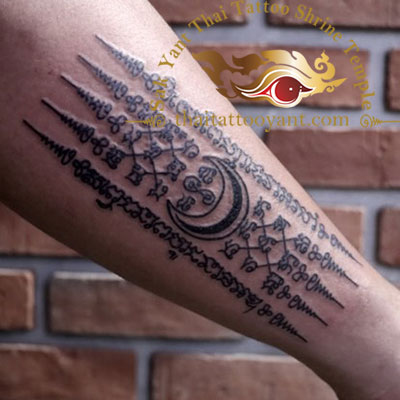
Bamboo Tattoo
Bamboo Tattoo History
The history of Bamboo tattooing is one of the oldest tattoo methods in the world, practiced for thousands of years across Asia and the Pacific. Instead of a machine, artists use a sharpened bamboo stick (or metal rod with needles in modern versions), tapping pigment into the skin by hand. (Hand‑Tapping Traditions)
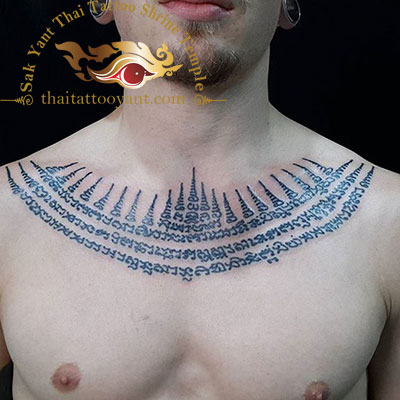
Bamboo Tattoo
Southeast Asia — Siam empire/Thailand
The most famous form is Sak Yant, the sacred geometric tattoo tradition practiced by ajarn sak yant masters.
Dates back over 2,000 years, for many kingdoms in this area.
Originally used for spiritual protection, blessings, and warrior empowerment.
In Thailand, Ajarns (which means ‘teachers’) sak yant master’s historically tattooed soldiers before battle for courage and safety.
This bamboo technique was liked because of:
Less skin irritation
Faster healing
Finer, more precise lines
Philippines — Batok
Indigenous tribes (e.g., Kalinga people) have practiced batok for centuries.
Traditionally done with thorn, bone, in a stick and struck by another stick.
Symbols represent status, bravery, coming‑of‑age, or tribal identity.
Apo Whang-Od, the legendary 100+‑year‑old mamba Batok, helped preserve this art.
Polynesia — Samoa, Hawaii, Tahiti
Hand-tapped tattooing in Polynesia used tapping sticks and bone needles, not bamboo, but the style and ritual share similarities.
Tattoos served as genealogical records, spiritual markings, and rites of passage.
The Samoan pe’a and malu are world-renowned examples.
Japan — Tebori
Japan’s tebori (hand poke stick with large needle heads and poked into the skin and then leveraged over the hand to make bigger holes in the skin and then pulled out. This is the most painful tattooing method) developed independently.
Uses a long wooden or metal rod with attached needles.
Produces very smooth gradients and shading.
Integral to the history of irezumi (traditional Japanese tattooing).
Bamboo Tattoo
Why Bamboo Was Used
Flexible and strong
Easy to carve into fine points
Doesn’t rust
Easily available in Southeast Asia
Allows artisans to control line pressure precisely
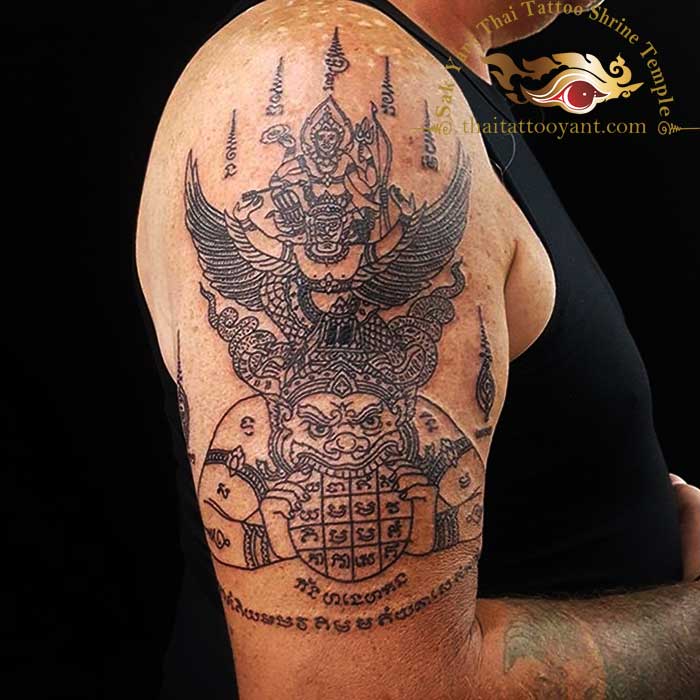
Symbolic & Spiritual Importance
In cultures like Thailand, bamboo tattoos were traditionally seen not just as art but as living talismans.
They were believed to provide:
Protection from harm
Luck and prosperity
Charisma and attraction (metta)
Strength and bravery
Spiritual connection
The power was said to come from:
The design (yant)The ink in the past was sometimes infused with herbs or ashes, but not nowadays.
The chanting/blessing ritual (khata)
Modern Evolution
Today, bamboo tattoo style has spread worldwide due to:
Interest in traditional craftsmanship
Desire for spiritual tattoos
Celebrities getting Sak Yant (e.g., the actress Angelina Jolie)
Many artists now use:
Metal rods instead of bamboo
Modern sterilization procedures
Hybrid techniques combining hand-tap with machine work
But the cultural and spiritual roots still remain central.
Bamboo Tattoo
Our Masters
Senior Master Ajarn Sak, What is known as a bamboo tattoo (often called a sak yant tattoo, especially in Thailand) is rich in cultural and has mystic and spiritual meaning.
Here’s a clear breakdown of what has become increasingly popular worldwide
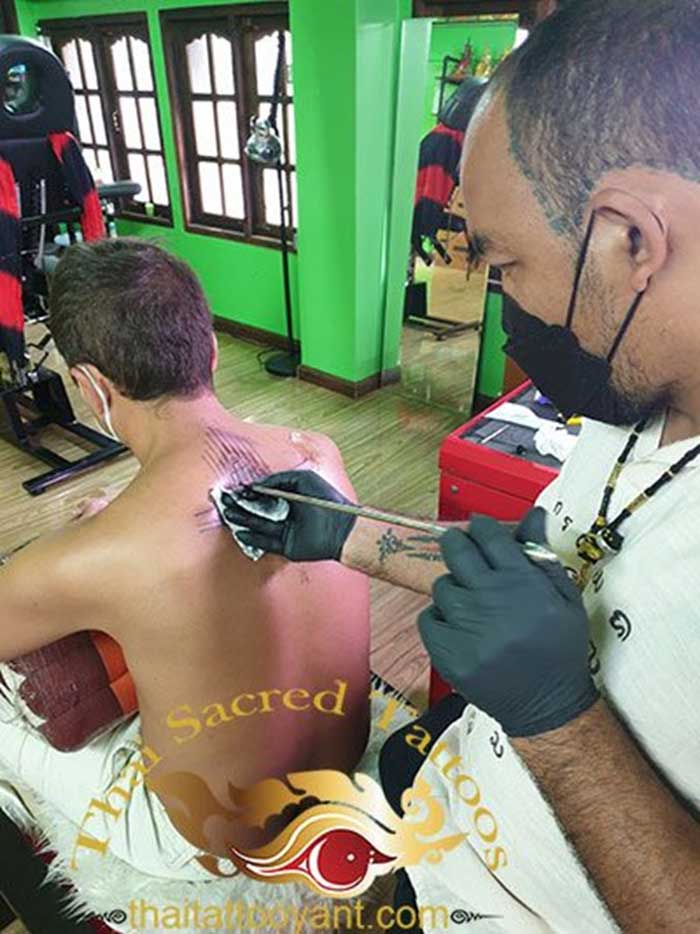
What a Bamboo Tattoo Is:
Old style bamboo tattoo refers to a traditional hand‑poked tattooing method using a sharpened bamboo stick, whereas nowadays stainless-steel rods with machine tattoo needles attached. The technique is common in Thailand.
The meanings behind Bamboo Tattoos:
While meanings vary by different designs itself, here are the most common themes:
Protection
Many Sak Yant tattoos are believed to provide:
Protection from harm
Protection from accidents
Protection from negative energy or evil spirits
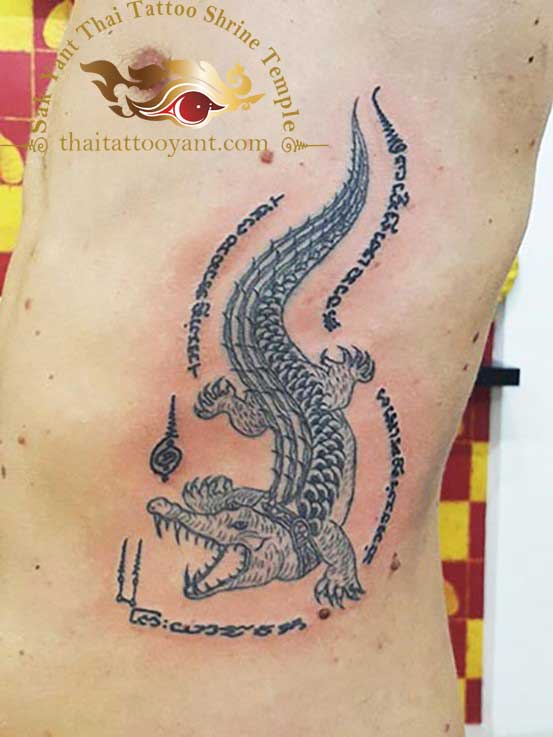
Good Luck & Fortune
Some designs are intended to:
Bring good luck
Increase personal charm
Improve opportunities in life
Strength & Courage
Because bamboo tattoos are done by hand they symbolize one’s:
Resilience
Inner strength
Endurance
Discipline
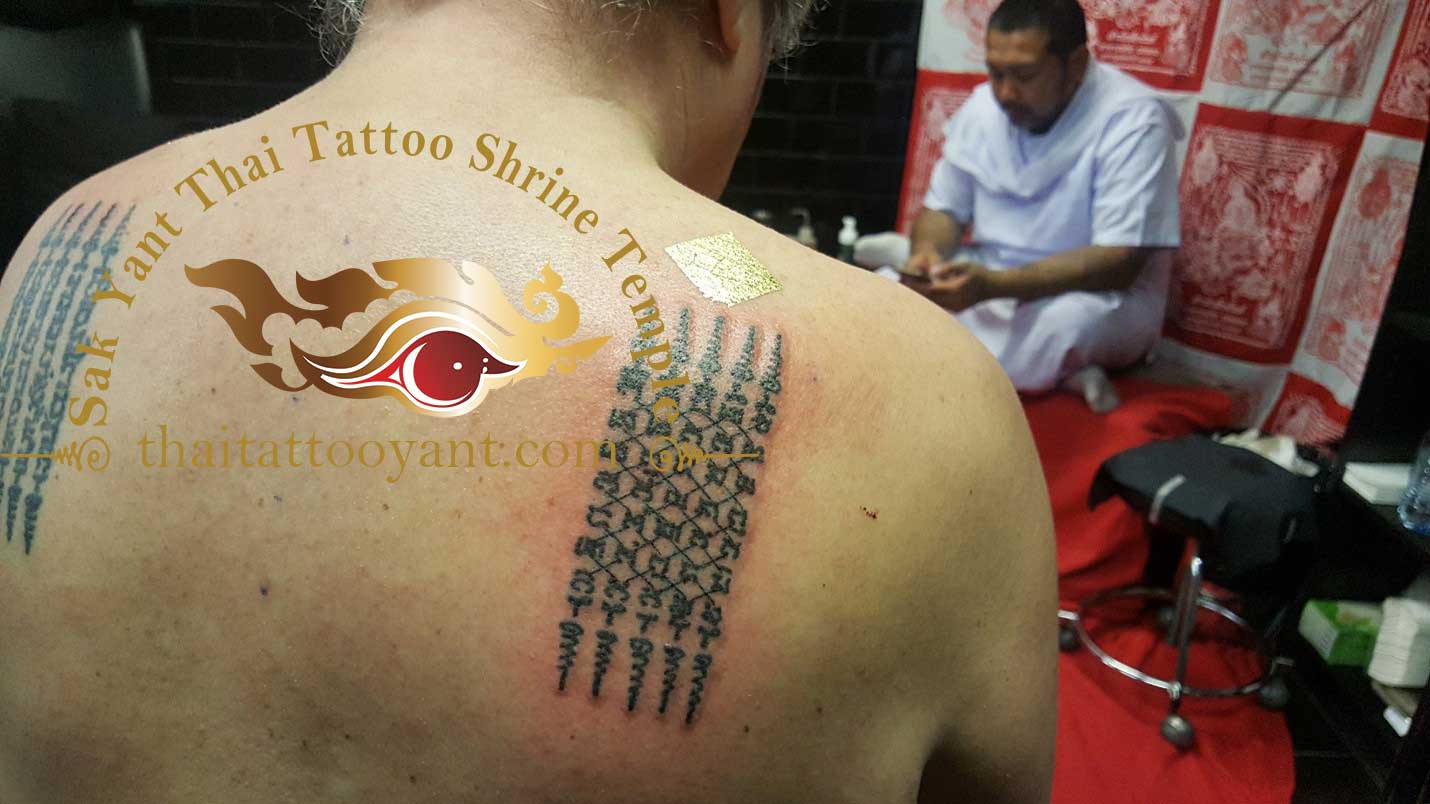
Spiritual Connection
Traditionally, a bamboo tattoo was provided by monks and ajarns (masters), but nowadays (and by law in Thailand) only Ajarns are permited to do so.
For many, a bamboo tattoo represents:
A blessing
A connection to spirituality
Commitment to personal growth or moral rules
Cultural Identity
In some indigenous cultures (e.g., Kalinga in the Philippines), hand‑tapped tattoos can signify:
Rite of passage
Social status
Achievements
Warrior spirit
The meaning of each Sak Yant tattoo depends on the design and there are many ancient and modern, each one symbolizing various virtues.
Bangkok Ink Tattoo Group Associates in Business
Sak Yant Tattoo Designs
Sak Yant Designs
Thai Tattoo Designs
Thai Tattoo Yant Designs
Tiger Web Geek, Website Design, Hosting, SEO, Marketing
Thai Tattoo Sak Yant UK Tours
Bangkok Ink Studio, Machine, Hand Poke Tattoos, Tattoo Removal, VIP Service to Ajarn Ohr
Tattoo School Thailand Bangkok
Asian Artifacts oneshopasia.com
Thai Tattoo Sak Yant USA
...
Skindiver Tattoo Studio, Gothenburg, Sweden
inktattoo.se Tattoo Studio
Skin Graffiti Tattoo Studio UK
Happysailortattoo.com Old School Tattooing
Ink Tattoo Studio
jourservice
The Tattooed Gent Studio